
Surfactant Therapy in Newborns: A Complete Guide to Types, Timing, and Techniques of Administration
Surfactant therapy remains one of the most important breakthroughs in neonatal medicine, transforming survival rates for premature babies with respiratory distress syndrome (RDS). This guide breaks down the evidence-based essentials , from choosing the right surfactant and dose, to deciding when to give it, to modern minimally invasive delivery techniques like INSURE and LISA/MIST. Drawn from the 2016 European Consensus Guidelines and key clinical trials, it's built for NICU teams who want a fast practical reference.

Why Surfactant Therapy Matters
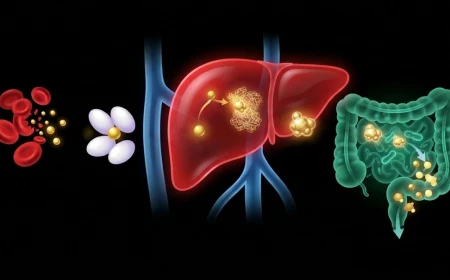
Premature infants, especially those born before 32 weeks, often cannot produce enough pulmonary surfactant , the substance that keeps the tiny air sacs (alveoli) in the lungs from collapsing. Without it, babies develop respiratory distress syndrome (RDS), a condition marked by rapid breathing, grunting, low oxygen levels and a characteristic "ground-glass" appearance on chest X-ray.
Exogenous surfactant replacement therapy has been a cornerstone of neonatal intensive care for decades. But which surfactant to use, when to give it and how to deliver it have evolved considerably as new evidence has emerged. This article consolidates that evidence into a single practical resource.
A Quick Clinical Scenario
Consider a 30-week gestational-age infant, birth weight 1,350 g, born to a mother who received a single course of antenatal betamethasone. The baby is initially stable on non-invasive ventilation, but by two hours of age the oxygen requirement climbs to 40%, breathing becomes labored, and the chest X-ray shows bilateral ground-glass changes with low lung volume.
This is a senario trigger for surfactant therapy and it raises three questions every neonatal team must answer quickly:
Which surfactant, and what dose? Should the baby be intubated first (INSURE) or can surfactant be given via a less invasive route (LISA/MIST)? What is the optimal timing? Types of Surfactant: Three Generations Exogenous surfactants…

Reviewed by the LibraryMedicine.com Clinical Editorial Board. Our authors are practicing physicians and medical educators dedicated to delivering evidence-based, up-to-date clinical guides.















Comments (0)