
Congenital Hypothyroidism in Newborns: A Complete Clinical Guide for General Pediatricians
Congenital hypothyroidism (CH) is one of the most common preventable causes of intellectual disability in children, yet most affected newborns look completely normal at birth because maternal thyroid hormone temporarily masks their symptoms. This guide walks through how CH is picked up on newborn screening, the physical and imaging clues that separate its two major causes, and the dosing, monitoring, and long-term follow-up that protect a child's brain development. Because early treatment is so time-sensitive, every general pediatrician should be comfortable recognizing and managing this condition from the first abnormal screening result.

Why Most Newborns With CH Look Perfectly Normal
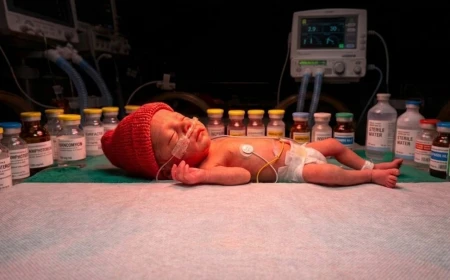
One of the most counter-intuitive aspects of congenital hypothyroidism is that a baby with a markedly abnormal newborn screen can appear entirely healthy, feeding well, alert, and with normal vital signs. Parents are often confused when told their seemingly healthy infant needs urgent treatment.
The explanation lies in placental physiology. During pregnancy, maternal thyroxine (T4) crosses the placenta and provides partial protection to the developing fetus. This transferred hormone continues to mask clinical signs for roughly the first two weeks of life, even in infants with severe or complete absence of thyroid tissue. In fact, only about 1–4% of infants with CH show obvious clinical signs at the moment of birth. This is precisely why universal newborn screening , not physical examination , It is the standard for catching this condition early, before the protective maternal hormone wears off and untreated hypothyroidism begins affecting the brain.
Newborn protection timeline:
Milestone Timing What's Happening Newborn screening Birth to 48 hours Ideal window; catches the physiological TSH surge Maternal T4 protection fades First 2 weeks Baby may still look clinically normal Symptoms begin to appear After 2 weeks Prolonged jaundice, hypotonia, feeding problems Recognizing the Early Clinical Signs (2–6 Weeks) When…

Reviewed by the LibraryMedicine.com Clinical Editorial Board. Our authors are practicing physicians and medical educators dedicated to delivering evidence-based, up-to-date clinical guides.















Comments (0)