
GINA 2026 Asthma Guidelines: Major Updates in Acute Care, Biologics, and Anti-Inflammatory Therapy
New evidence-based strategies transform emergency management and long-term treatment for asthma patients worldwide The Global Initiative for Asthma (GINA) has released its 2026 Strategy Report, introducing transformative changes in acute asthma management, biologic therapies, and pediatric care. These updates represent a paradigm shift toward anti-inflammatory approaches across all severity levels, potentially reducing exacerbations and oral corticosteroid exposure for millions of patients worldwide
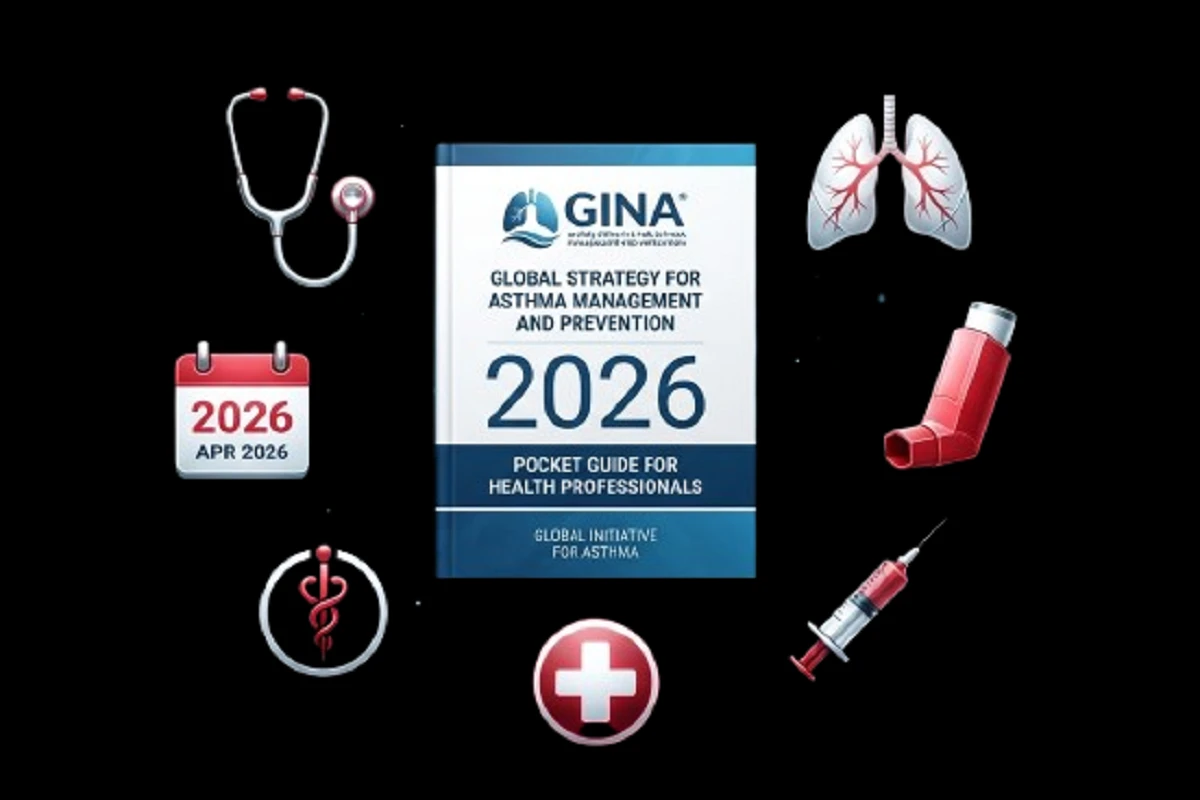
Acute Asthma Management Transformed with New Flowcharts
The 2026 GINA update introduces four comprehensive flowcharts for asthma exacerbation management . These tools cover adults, adolescents, children aged 6–11 years, and children 5 years and younger. Each flowchart provides standardized criteria for mild, moderate, severe, and life-threatening presentations.
Standardized assessment now includes validated clinical scores for children. The Pediatric Respiratory Assessment Measure (PRAM) is strongly recommended for children up to age 17 years . This ensures objective severity evaluation across different healthcare settings.
Anaphylaxis management now receives dedicated attention. When patients present with both anaphylaxis and asthma features, epinephrine (adrenaline) must be given first . Healthcare providers can administer epinephrine intramuscularly or intranasally, though the intranasal route is unsuitable for small children.
Oxygen saturation thresholds have been revised downward. Supplemental oxygen is not recommended unless saturation falls below 92% . For adults, adolescents, and children aged…

Reviewed by the LibraryMedicine.com Clinical Editorial Board. Our authors are practicing physicians and medical educators dedicated to delivering evidence-based, up-to-date clinical guides.













Comments (0)