Neonatal and Infantile Dermatology: A Comprehensive Clinical Guide to Common Rashes and Skin Findings
Neonatal and infantile skin conditions represent a diverse group of benign, self-limited eruptions as well as potentially serious vascular anomalies and infections. Accurate recognition of clinical patterns such as lesion morphology, distribution, timing of onset, and associated systemic signs which is essential for appropriate management and timely specialist referral. This article provides a comprehensive, evidence-based review of the most common dermatologic findings in the first two years of life, with practical guidance on diagnosis, treatment, and when to worry.
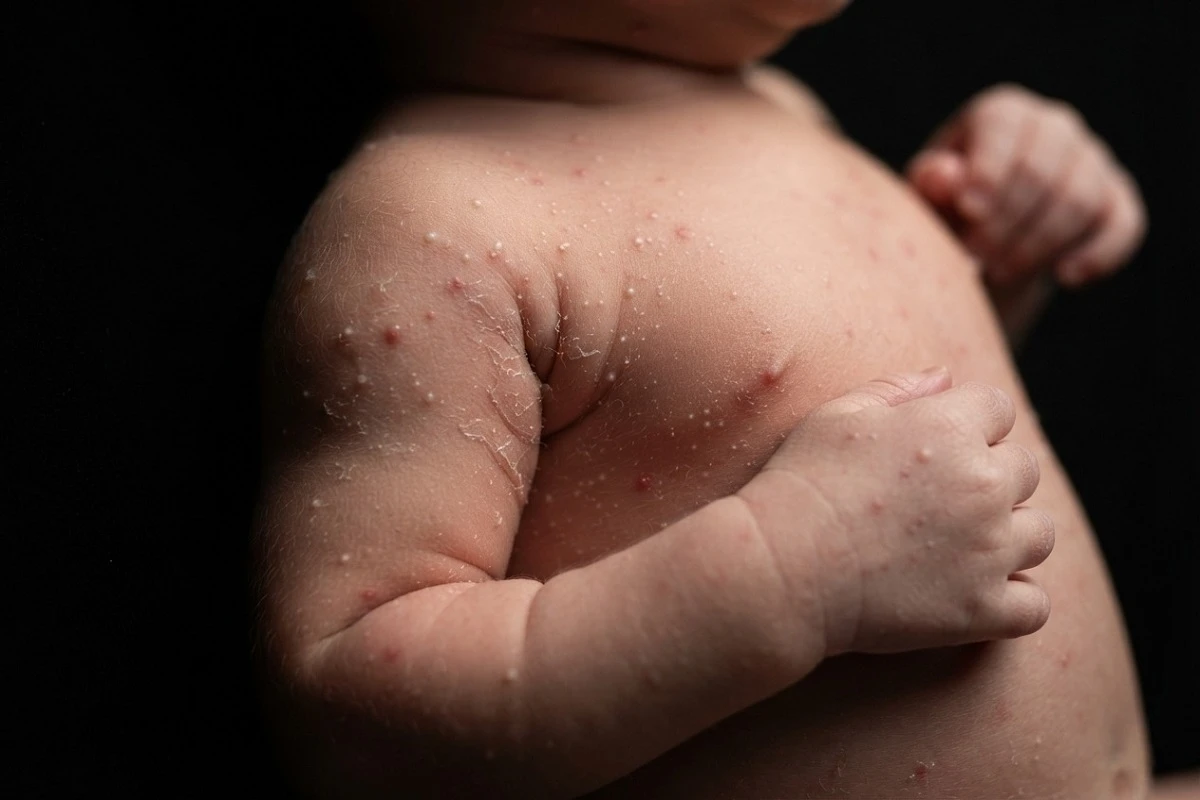
The skin of a newborn infant undergoes rapid adaptation to the extrauterine environment, making it susceptible to a variety of transient and sometimes persistent conditions. For clinicians, distinguishing between harmless physiological rashes and those that signal underlying pathology is a daily challenge.
Approximately 70% of full-term infants will develop erythema toxicum neonatorum, while up to 50% will have milia, underscoring the ubiquity of these findings. However, conditions like infantile hemangiomas or persistent diaper dermatitis require careful evaluation and, in some cases, early intervention to prevent complications.
This guide synthesizes current dermatologic knowledge into a practical reference for pediatricians, family physicians, and trainees, covering the full spectrum from common benign eruptions to vascular tumors and syndromic associations.
1. Benign Self-Limited Rashes 1.1 Erythema Toxicum Neonatorum Erythema toxicum neonatorum is the most frequent neonatal rash, affecting up to 70% of term infants. Its incidence declines with lower birth weight and prematurity. The classic presentation…

Reviewed by the LibraryMedicine.com Clinical Editorial Board. Our authors are practicing physicians and medical educators dedicated to delivering evidence-based, up-to-date clinical guides.










Comments (0)