Updated Guide to Neonatal Hyperbilirubinemia: Management Strategies(phototherapy vs Exchange Transfusion) for Term and Preterm Infants
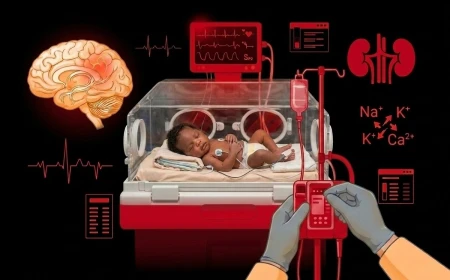
Neonatal hyperbilirubinemia, if left untreated, can lead to bilirubin-induced neurologic disorders (BIND), ranging from subtle neurodevelopmental impairments to severe chronic bilirubin encephalopathy (kernicterus). This comprehensive article provides evidence-based guidance on the management of unconjugated hyperbilirubinemia in newborns ≥35 weeks gestation, including indications for phototherapy, escalation of care, and exchange transfusion criteria. Special considerations for preterm infants <35 weeks gestation, who are at increased risk for neurotoxicity at lower bilirubin levels, are also addressed, along with updated recommendations for blood product selection in exchange transfusions and the importance of individualized risk-based treatment approaches.
Neonatal hyperbilirubinemia is a common condition affecting nearly all newborn infants, characterized by elevated levels of unconjugated bilirubin in the blood. While benign physiologic jaundice occurs transiently in most newborns and responds well to nutritional support, progressive and severe hyperbilirubinemia poses significant risks for neurotoxicity. The condition becomes a medical emergency when total serum or plasma bilirubin (TSB) levels approach thresholds that may lead to bilirubin-induced neurologic disorders (BIND).
In newborns born at gestational age (GA) ≥35 weeks, severe hyperbilirubinemia is defined as TSB >20 mg/dL (342 micromol/L), while extreme hyperbilirubinemia is defined as TSB >25 mg/dL (428 micromol/L). However, treatment decisions must be individualized based on hour-specific thresholds adjusted for age, gestational age, and neurotoxicity risk factors. The spectrum of BIND includes acute bilirubin encephalopathy (ABE) and chronic bilirubin encephalopathy (CBE), previously known as kernicterus, which can result in permanent neurologic sequelae including hearing loss, motor dysfunction, and cognitive impairment.
Pathophysiology and Risk Factors
Bilirubin Production and Metabolism
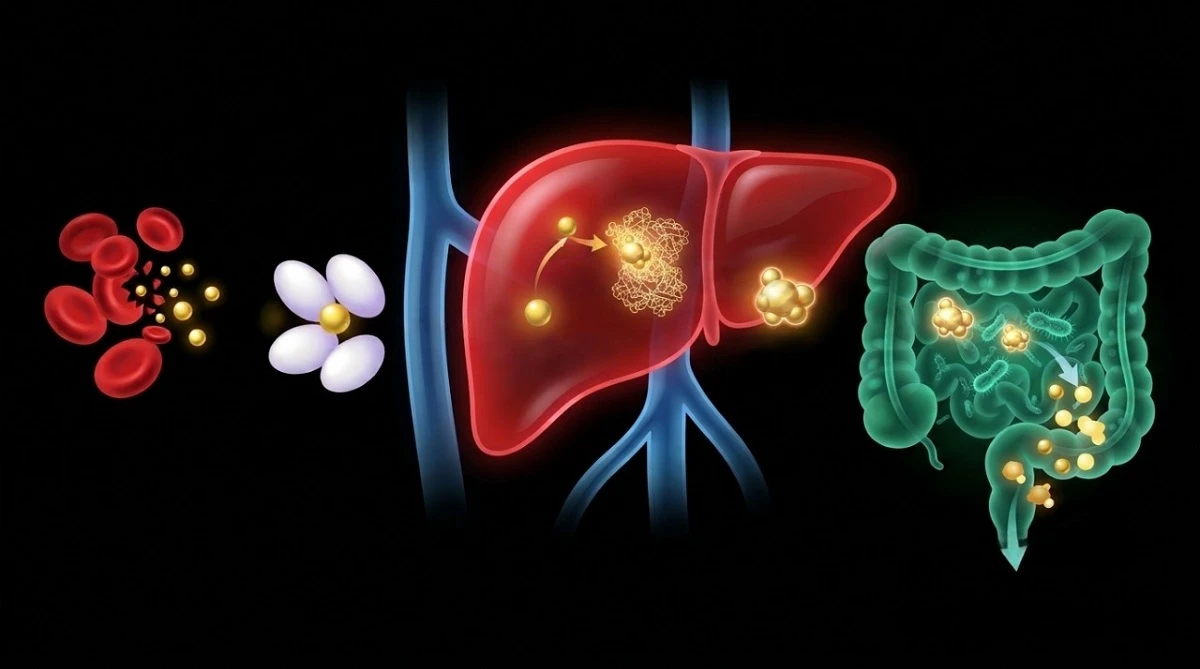
Unconjugated bilirubin is produced primarily from the breakdown of heme in red blood cells. The process involves:
-
Heme oxygenase converting heme to biliverdin
-
Biliverdin reductase converting biliverdin to unconjugated bilirubin
-
Transport of unconjugated bilirubin bound to albumin in the bloodstream
-
Hepatic uptake, conjugation with glucuronic acid by UGT1A1 enzyme
-
Excretion of conjugated bilirubin into bile
Neonates…

Reviewed by the LibraryMedicine.com Clinical Editorial Board. Our authors are practicing physicians and medical educators dedicated to delivering evidence-based, up-to-date clinical guides.







Comments (0)