
Managing Electrolyte Imbalances in Hypoxic-Ischemic Encephalopathy: A Comprehensive Guide for Pediatricians
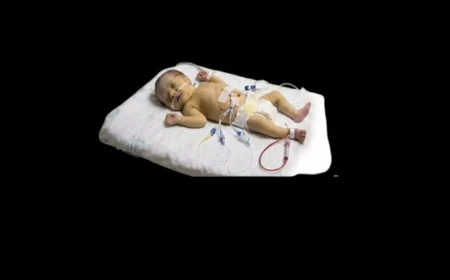
Hypoxic-ischemic encephalopathy (HIE) represents one of the most challenging conditions pediatricians face in neonatal intensive care. While therapeutic hypothermia has revolutionized outcomes for affected infants, the metabolic complications that accompany perinatal asphyxia extend far beyond the primary neurological injury. Among these complications, electrolyte imbalances stand out as both common and clinically significant, affecting nearly one-third of neonates with HIE and directly impacting survival and long-term neurodevelopmental outcomes.
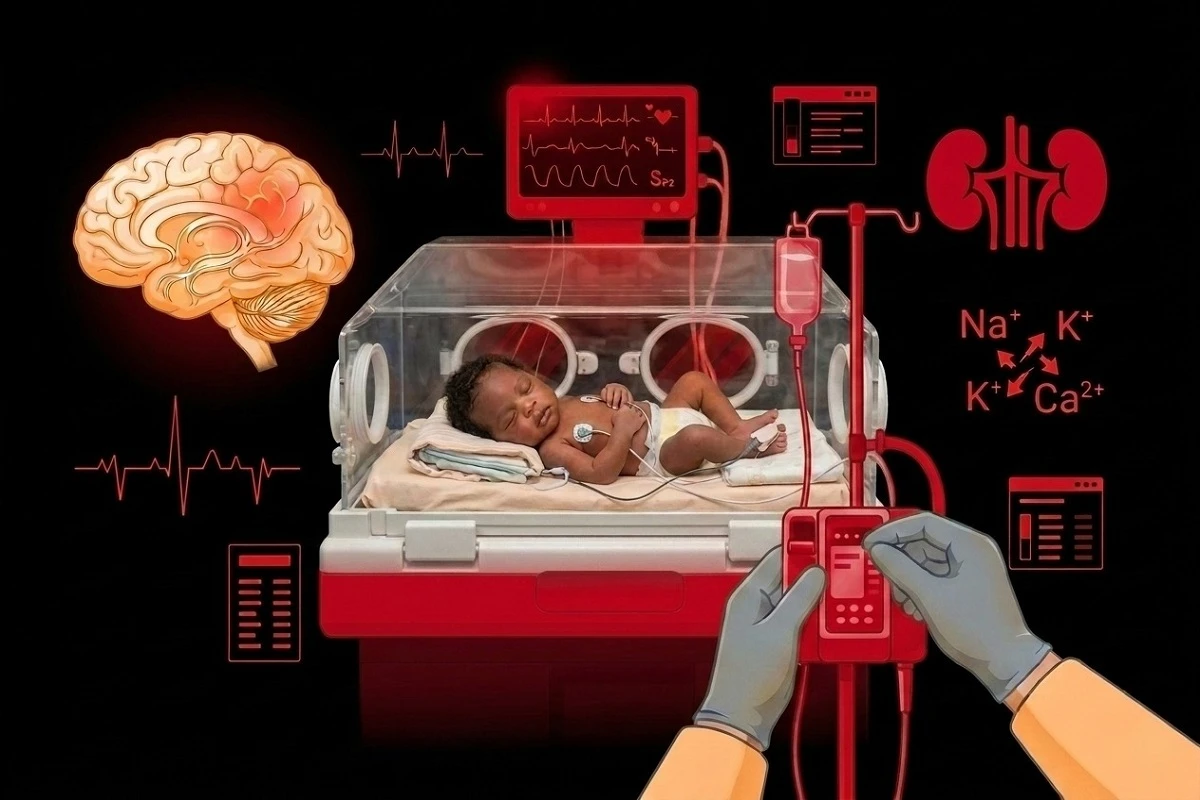
Understanding the complex interplay between hypoxic-ischemic injury, multi-organ dysfunction, therapeutic hypothermia, and electrolyte homeostasis is essential for pediatricians managing these critically ill infants. This comprehensive guide explores the pathophysiology, clinical presentation, monitoring strategies, and evidence-based management of electrolyte disturbances in HIE.
The Scope of the Problem
Recent prospective cohort data from multiple centers reveal that electrolyte imbalances occur in 20-30% of asphyxiated term neonates, with hyponatremia affecting 29%, hyperkalemia 19.5%, and hypocalcemia 21.2% of patients. These are not merely laboratory abnormalities—they carry significant prognostic weight. Mortality is highest among neonates with hyperkalemia, while hypocalcemia is significantly associated with prolonged hospital stay. The presence of multiple electrolyte abnormalities suggests more severe multi-organ dysfunction and correlates with worse neurodevelopmental outcomes.
In the era of therapeutic hypothermia, more infants are surviving moderate to severe HIE, but they remain at risk for challenges in learning, language, coordination, behavior, and socioemotional development. While therapeutic hypothermia has reduced death and severe neurodisability, four in ten children with HIE still have neurodevelopmental sequelae at age three, half of which are mild. Optimizing electrolyte homeostasis represents one modifiable factor that may improve these outcomes.
Understanding the Pathophysiology
The Cascade of Cellular Energy Failure
The pathophysiology of electrolyte disturbances in HIE begins with the fundamental disruption of cellular energy metabolism. When cerebral blood flow decreases during perinatal asphyxia, oxygen and glucose delivery to neural tissue becomes inadequate. This triggers a shift to anaerobic metabolism, which depletes adenosine triphosphate (ATP) stores and increases lactic acid production.
ATP depletion has profound consequences for cellular homeostasis. The sodium-potassium ATPase pump, which normally maintains the electrochemical gradient across cell membranes, fails. This leads to intracellular accumulation of sodium, water, and…

Reviewed by the LibraryMedicine.com Clinical Editorial Board. Our authors are practicing physicians and medical educators dedicated to delivering evidence-based, up-to-date clinical guides.












Comments (0)