
Rickets in Children: A Clinical Guide to Recognizing, Diagnosing and Treating Soft Bones
Rickets remains a preventable cause of bone deformity, growth failure and life-threatening hypocalcemia in infants and toddlers. This guide walks through the classic signs, the underlying physiology, the right tests, evidence-based treatment and the prevention steps every family and clinician should know.
Introduction: Why Rickets Still Matters
Rickets is often described as a disease of the past. Yet children with delayed walking, bowed legs or unexplained irritability still arrive in clinics every day. Exclusively breastfed infants without vitamin D supplements, children with darker skin, and those with limited sun exposure are all at higher risk.
The good news is that most cases are preventable and treatable. The key is early recognition.
This article follows a case-based approach. It moves from bedside signs to laboratory patterns, imaging, treatment, complications and rarer genetic causes, so you can see how each piece fits together.
Key message: Rickets is reversible when caught early. Delayed recognition is what leads to permanent deformity, growth failure and emergency complications.
What Is Rickets?
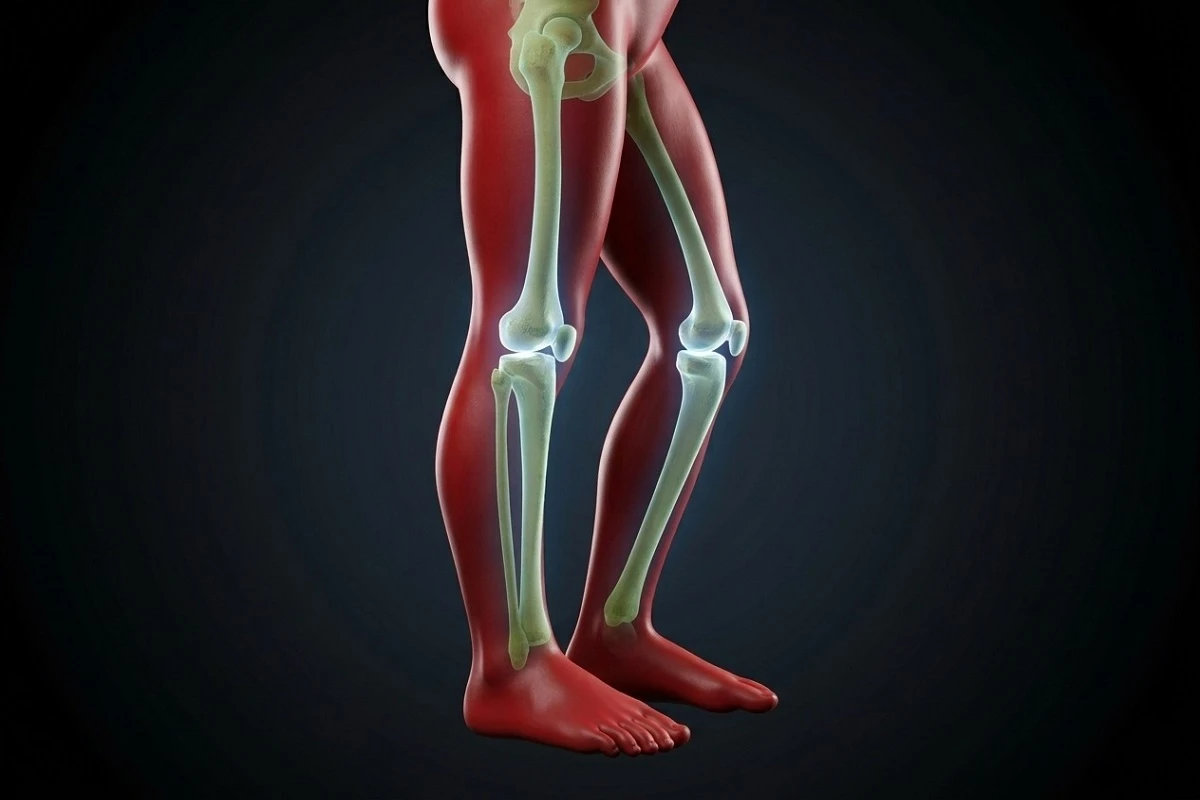
Rickets is a disorder of defective mineralization of growing bone. It occurs in children because their growth plates are still open. The most common cause worldwide is vitamin D deficiency, which leads to low calcium and phosphate availability for new bone.
When bone cannot mineralize properly, it stays soft. Soft bone bends under weight, swells at growth zones and grows more…

Reviewed by the LibraryMedicine.com Clinical Editorial Board. Our authors are practicing physicians and medical educators dedicated to delivering evidence-based, up-to-date clinical guides.










Comments (0)