
Causes of Arthritis in Children: A Pediatrician's Diagnostic Guide
Childhood arthritis has a wide differential, ranging from septic arthritis (a true orthopedic emergency ) to chronic autoimmune conditions like juvenile idiopathic arthritis (JIA) and post-infectious syndromes such as acute rheumatic fever. This guide walks through the hallmark presentations, red-flag findings, laboratory and imaging clues, and treatment pathways that separate these conditions, using real clinical vignettes to illustrate decision-making at the bedside.
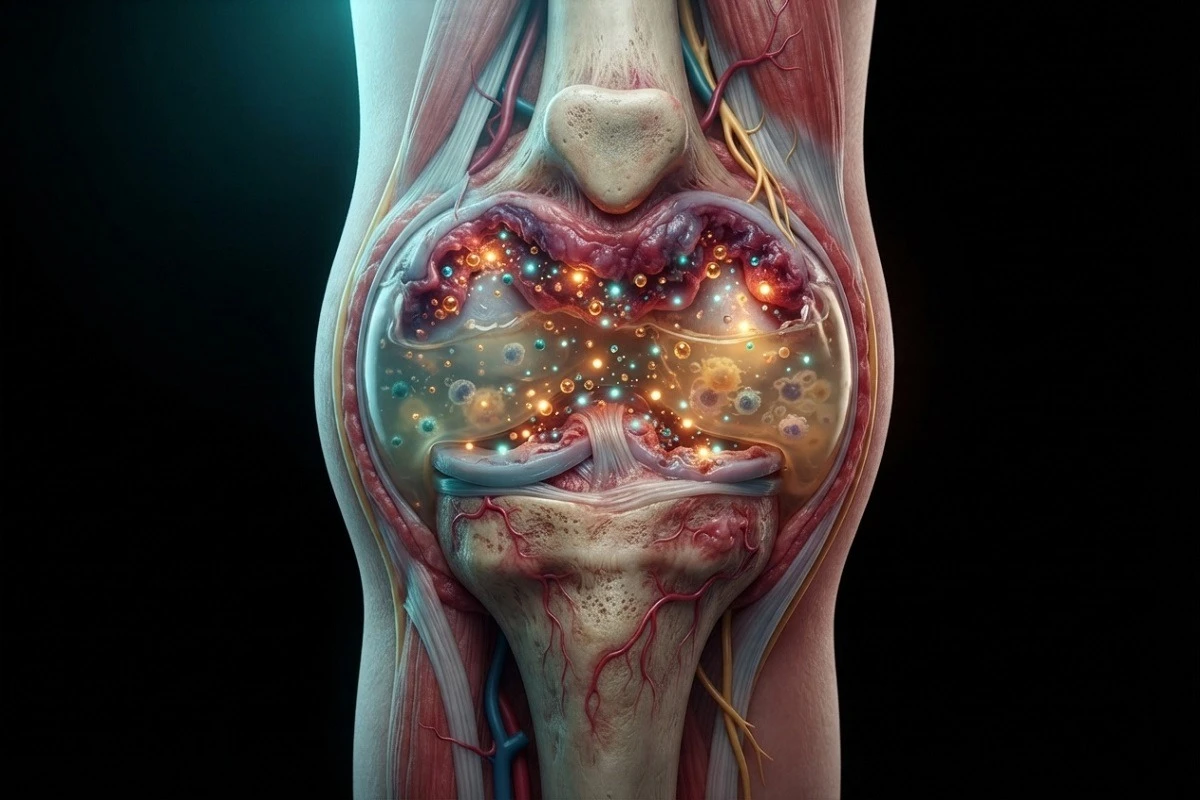
A swollen joint in a child is never "just growing pains." It can signal anything from a self-limited viral synovitis to a surgical emergency or a life-threatening systemic illness and telling these apart quickly is one of the most important skills in pediatric practice.
Why the Differential Matters
A limping child or a swollen knee sends most parents straight to the pediatrician, and the stakes of getting the diagnosis right are high. Some causes of pediatric arthritis, like septic arthritis, destroy a joint within 24–48 hours if untreated. Others, like oligoarticular JIA, cause no pain at all yet quietly threaten a child's eyesight. Still others ; post-streptococcal reactive arthritis and acute rheumatic fever ; are windows into the heart itself.
Because the presentations overlap so heavily (fever, swelling, refusal to bear weight), pediatricians rely on a structured approach: history, examination pattern, inflammatory markers, imaging, and ; when in doubt ; joint fluid analysis.
Clinical pearl: Fever plus acute joint swelling should always trigger one first thought: is this septic arthritis until proven otherwise?
Septic Arthritis: The Diagnosis You Cannot Miss Case in point: A 4-year-old boy presents with sudden-onset right knee swelling,…

Reviewed by the LibraryMedicine.com Clinical Editorial Board. Our authors are practicing physicians and medical educators dedicated to delivering evidence-based, up-to-date clinical guides.











Comments (0)