
The Immature Gut in Motion: A Clinical Framework for Neonatal GI Motility Disorders
Feeding intolerance in a newborn is rarely just "immaturity" , it is often the first visible sign of a specific neuromuscular, anatomic, or developmental problem. This guide walks through how the fetal gut acquires motility, why congenital anomalies like esophageal atresia, gastroschisis, and CDH leave lasting dysmotility even after flawless surgery, and how manometry and the ESPGHAN PIPO criteria turn a vague symptom into an actionable diagnosis.
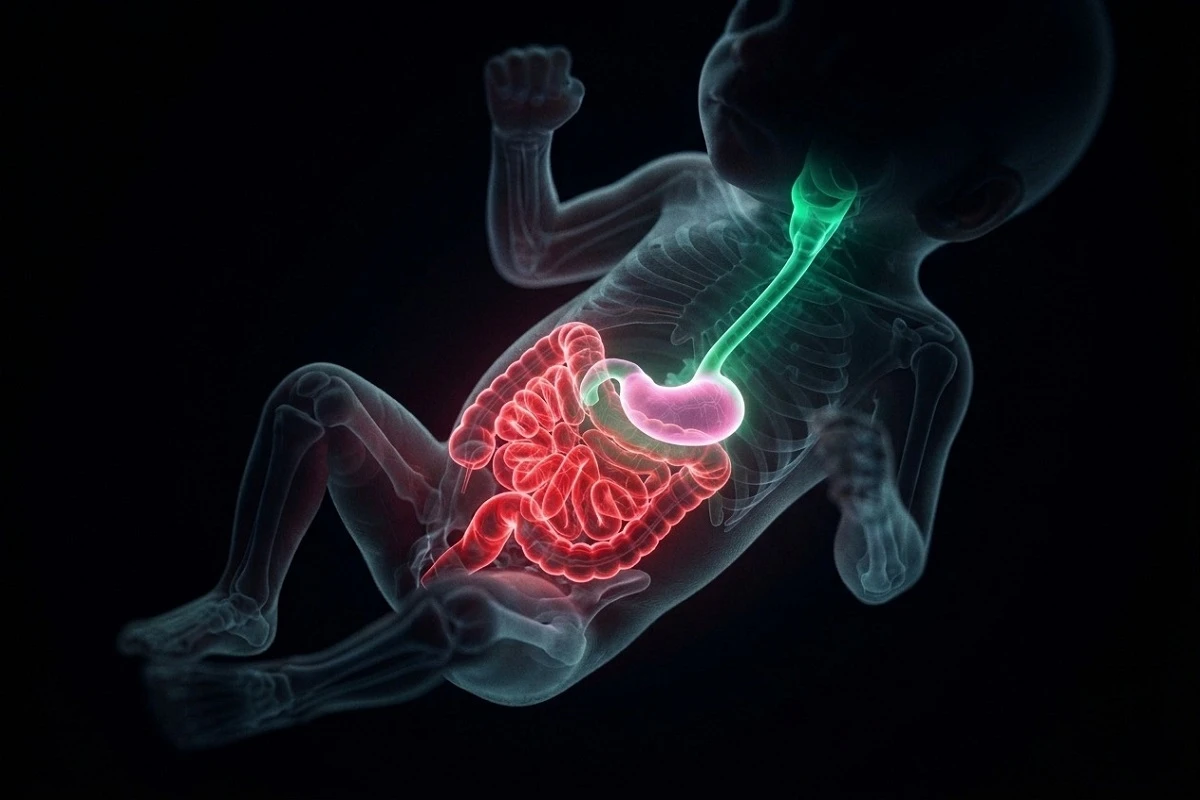
Ask any neonatologist what keeps them up at night about a growing preterm infant, and "the gut" is rarely far down the list. Feeding intolerance, bilious aspirates, and unexplained distension are common , but they are also nonspecific. Behind that shared clinical picture sits a small number of distinct mechanisms: a nervous system that hasn't finished wiring itself, a muscle layer that never fully formed, or an anatomic anomaly that was corrected in the operating room but never fully corrected in function. Telling these apart is what separates a plan built on guesswork from one built on physiology.
This reference walks through the developmental timeline of gut motility, the major congenital lesions that disrupt it, and the diagnostic and pharmacologic toolkit used to manage the infant left with chronic dysmotility.
The Blueprint of GI Neuromuscular Development Gut motility is not present at birth in its adult form , it is assembled in stages across gestation, and where…

Reviewed by the LibraryMedicine.com Clinical Editorial Board. Our authors are practicing physicians and medical educators dedicated to delivering evidence-based, up-to-date clinical guides.









Comments (0)