Post-ROSC Care: The 5-Step ICU Roadmap to Protect the Heart, Brain, and Body After Cardiac Arrest
Getting a pulse back after cardiac arrest is only the first victory. The hours that follow in the ICU decide whether a patient recovers, survives with impairment, or dies. This guide walks through the five-step post-ROSC roadmap: stabilise, find the cause, protect the brain, support the organs, and assess the prognosis.
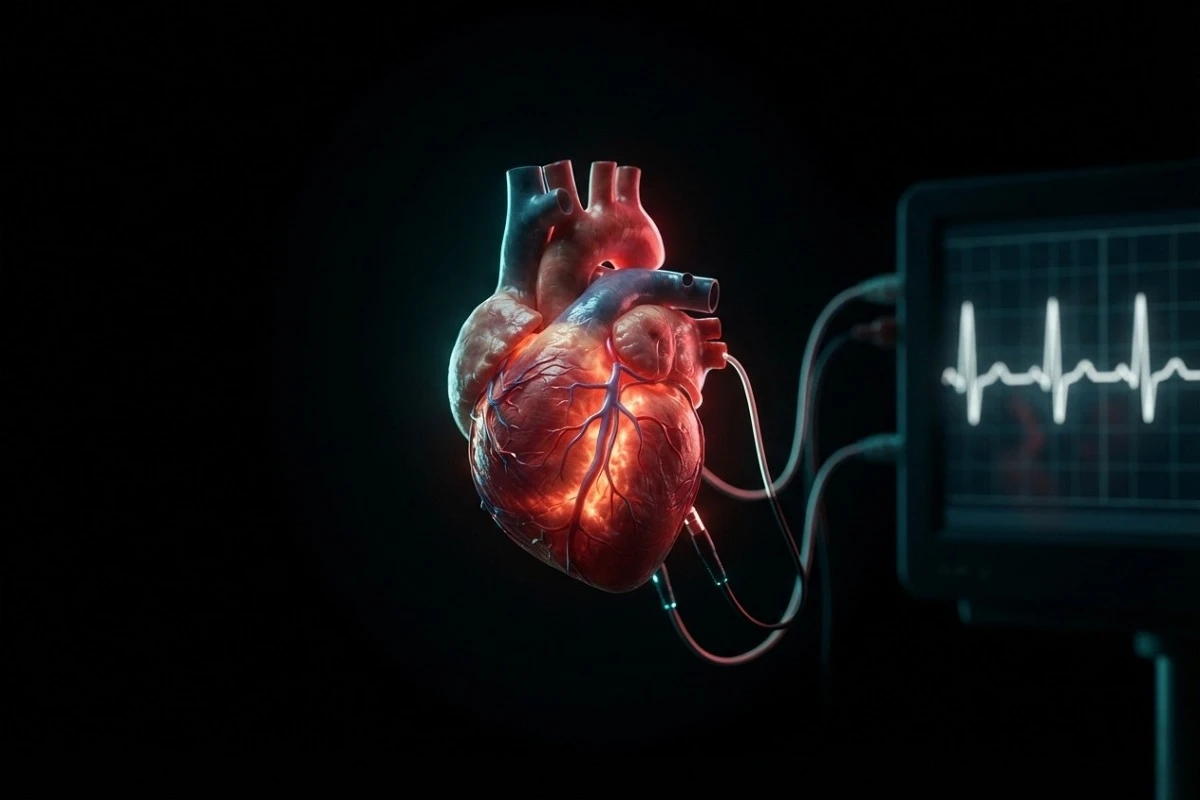
The Heart Is Beating Again. Now What?
Imagine a patient has just suffered a cardiac arrest. Chest compressions worked, the defibrillator did its job, and there is a pulse.
Yet survival does not end there. In many ways, the most perilous window has only just opened.
The decisions made in the ICU during these first critical hours can separate recovery from profound impairment or death. This is why post-ROSC care is one of the most high-stakes areas of critical medicine.
"The heart is beating again. So now what?" This is the question every ICU clinician faces the moment circulation returns.
What Is ROSC, and Why Is It Only the Beginning?
ROSC stands for return of spontaneous circulation. It means a sustained heart rhythm and perfusing blood pressure have been restored after a cardiac arrest.
Achieving ROSC is a massive victory. Physiologically, though, the body is in…
Reviewed by the LibraryMedicine.com Clinical Editorial Board. Our authors are practicing physicians and medical educators dedicated to delivering evidence-based, up-to-date clinical guides.





Comments (0)