
The Definitive Guide to ICU Pharmacology: Advanced Therapeutic Strategies in Critical Care Medicine
Pharmacological management in the Intensive Care Unit (ICU) requires balancing rapid therapeutic interventions with the prevention of drug-induced complications. This definitive reference analysis covers seven pillars of critical care medicine: stress ulcer prophylaxis, advanced anticoagulation strategies, antimicrobial stewardship, optimized analgesia, precision sedation targets, and tailored vasoactive configurations. By matching patient-specific pathophysiological markers to rigorous pharmacodynamic profiles, healthcare teams can maximize survival while avoiding critical drug errors.
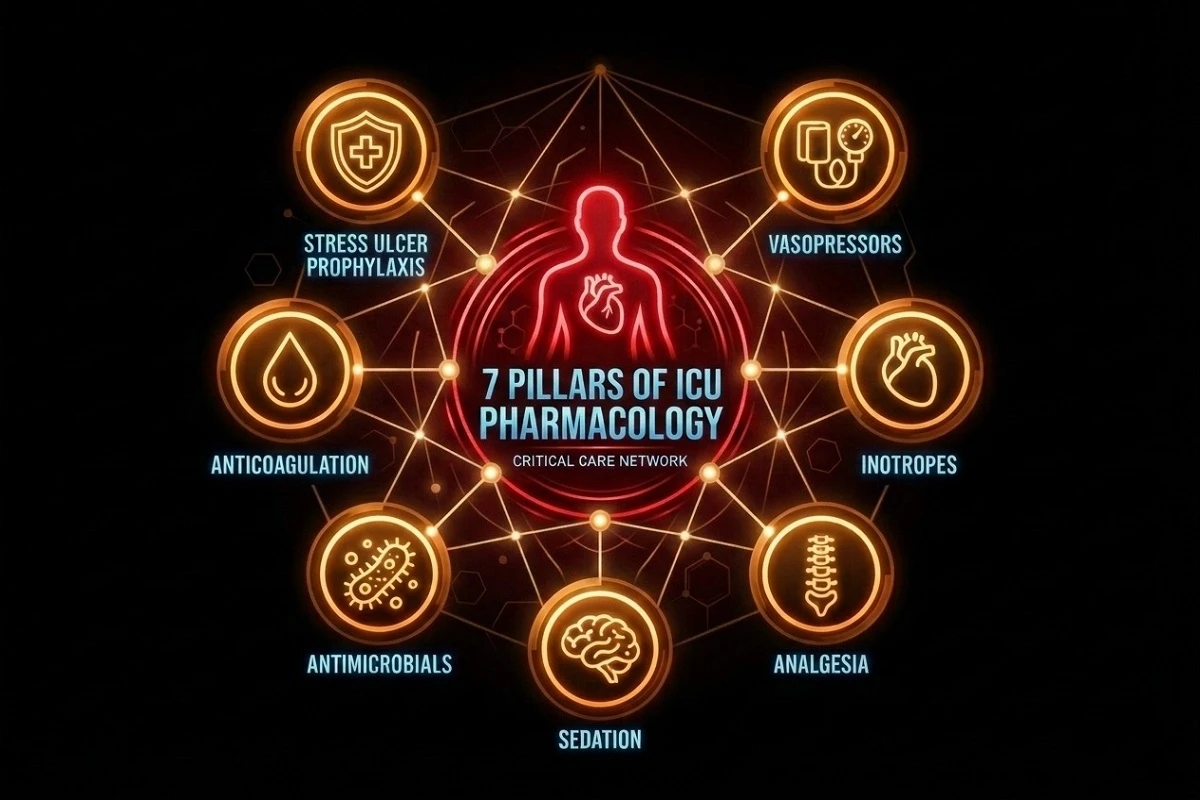
Table of Contents
-
Introduction of ICU Pharmacology
Critical illness introduces unpredictable physiological changes, including fluid shifts, altered organ perfusion, and rapid declines in hepatic and renal clearances. Managing medications in this high-stakes environment requires an exact understanding of drug classes, dosing alterations, and monitoring parameters. The pharmacokinetic profiles of critically ill patients differ significantly from those of stable ward patients, necessitating individualized therapeutic approaches.
This comprehensive clinical guide provides an exhaustive breakdown of core ICU pharmacological categories. It serves as an authoritative reference for optimizing therapeutic efficacy while maintaining safety at the bedside. Understanding the interplay between drug mechanisms, patient physiology, and organ dysfunction is essential for delivering high-quality critical care.
-
Stress Ulcer Prophylaxis (SUP)
Clinical Indications and Risk Stratification
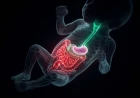
Stress-related mucosal damage (SRMD) poses an immediate threat of upper gastrointestinal bleeding in critically ill patients. Routine prophylaxis is not indicated for all admissions; instead, therapy must be targeted to specific validation criteria. The pathophysiology involves splanchnic hypoperfusion, mucosal ischemia, and disruption of the protective gastric barrier.
High-Risk Criteria for Initiating SUP
-
Respiratory Failure: Mechanical ventilation anticipated to last longer than 48 hours.
-
Coagulopathy Conditions: Platelet count dropping below 50,000/mm³, an International Normalized Ratio (INR) exceeding 1.5, or a significantly prolonged activated partial thromboplastin time (aPTT).
-
Hemodynamic and Neurological Insults: Severe sepsis, refractory septic shock, multi-organ dysfunction syndrome (MODS), traumatic brain injury (TBI), or an acute ischemic or hemorrhagic stroke.
-
Thermal Injuries: Major burns encompassing more than 35% of the total body surface area (TBSA).
-
Pharmacological Triggers: Concomitant administration of high-dose systemic corticosteroids or nonsteroidal anti-inflammatory drugs (NSAIDs).
Discontinuation and De-escalation Protocol
-
Resolution of Stressors: Prophylaxis must be halted immediately when primary risk factors resolve.
-
Enteral Transition: Transitioning the patient to a stable status where they are successfully receiving enteral nutrition mandates the cessation of SUP.
-
Low-Risk Exclusion: Avoid prescribing SUP for short-stay ICU patients who lack baseline risk elements.
Pharmacological Agents, Dosing, and Dynamics
Proton Pump Inhibitors (PPIs)
-
Specific Agents: Pantoprazole, Esomeprazole, Omeprazole
-
Mechanism of Action: Irreversibly inhibits the H+/K+ ATPase pump in gastric parietal cells.
-
Onset: 1–2 hours
-
Duration: 24 hours
-
Adult Dose: Pantoprazole 40 mg IV once daily or Esomeprazole 40 mg IV once daily
-
Critical Notes: Most effective acid suppression profile; strongly preferred in ultra-high-risk patients; use intravenous route within ICU settings.
H2 Receptor Antagonists (H2RAs)
-
Specific Agents: Ranitidine, Famotidine
-
Mechanism of Action: Competitive blockade of H2 receptors on parietal membranes.
-
Onset:
30–60 minutes
-
Duration: 10–12 hours
-
Adult Dose: Ranitidine 50 mg IV every 12 hours or Famotidine 20 mg IV every 12 hours
-
Critical Notes: Demonstrates less potency compared to PPIs; high incidence of tachyphylaxis with continuous use; mandates severe dose cuts in renal failure.
Cytoprotective Barrier Agents / Antacids
-
Specific Agents: Sucralfate, Aluminium Hydroxide + Magnesium Hydroxide
-
Mechanism of Action: Forms an acidic protective paste over ulcer beds; neutralizes free acid.
-
Onset: Immediate
-
Duration: 2–4 hours
-
Adult Dose: Sucralfate 1 g PO/NG every 6 hours or Antacids 10–20 mL PO/NG every 6 hours
-
Critical Notes: Sucralfate remains validated as safe in pregnancy; antacids are completely inappropriate for standalone prophylaxis due to high recurrence rates.
Adverse Effects and Safety Profile
Overutilization of SUP changes the gastric pH, which allows pathogenic bacteria to multiply. This leads to several serious clinical risks:
-
Infectious Complications: Elevated risk of Hospital-Acquired Pneumonia (HAP), Ventilator-Associated Pneumonia (VAP), and Clostridioides difficile-Associated Diarrhea (CDAD).
-
Metabolic Deficiencies: Chronic PPI exposure can lead to severe hypomagnesemia and impaired absorption of Vitamin B12.
-
Idiosyncratic Reactions: Rare presentations of acute interstitial nephritis.
-
Structural Issues: Long-term use is associated with a higher risk of bone fractures.
-

Reviewed by the LibraryMedicine.com Clinical Editorial Board. Our authors are practicing physicians and medical educators dedicated to delivering evidence-based, up-to-date clinical guides.











Comments (0)