
Mechanical Ventilation Modes: A Comprehensive Clinical Guide to Classification, Physiology, and Evidence-Based Practice
Mechanical ventilation is a life-sustaining intervention for critically ill patients with respiratory failure, yet the proliferation of manufacturer-specific trade names has created significant confusion in clinical practice. This comprehensive review provides clinicians with a standardized framework for understanding ventilator modes based on the variables of control, triggering, and cycling. We examine the physiological principles, clinical indications, and evidence base for volume-controlled, pressure-controlled, and advanced adaptive modes, with practical guidance for initial settings, titration, and weaning.
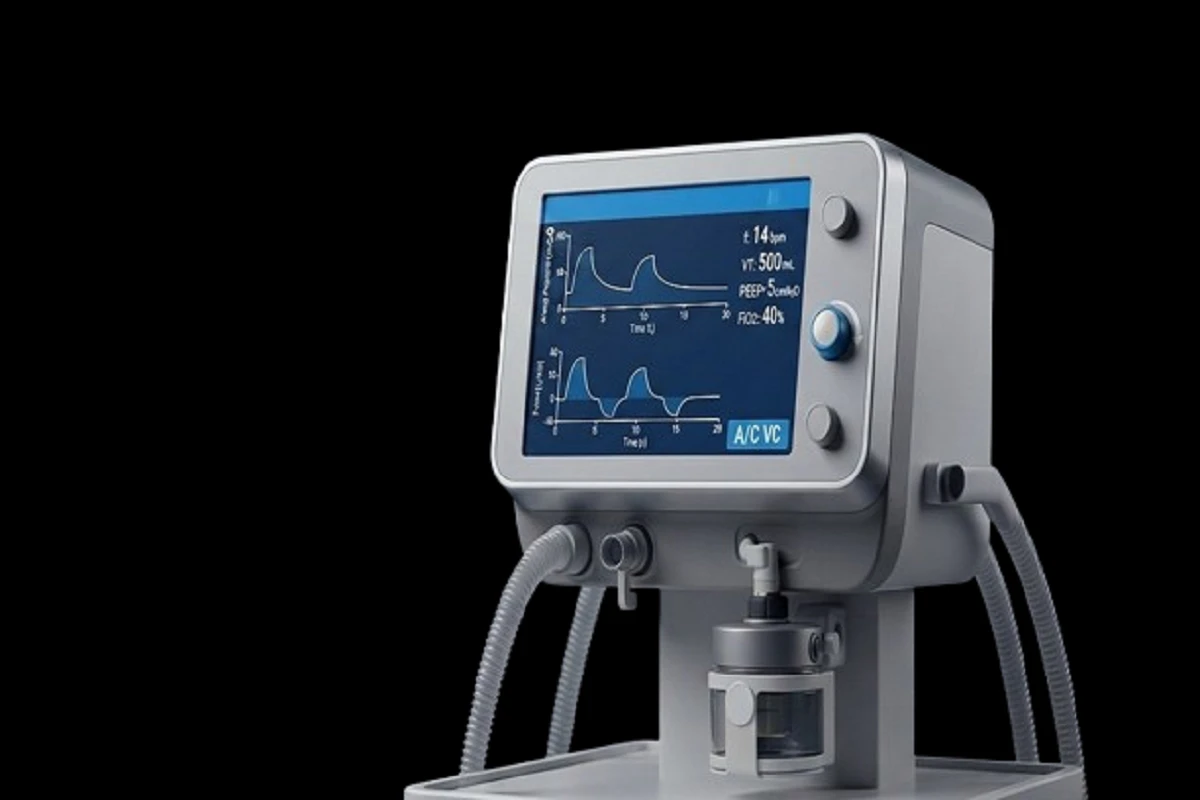
Mechanical ventilation remains a cornerstone of critical care medicine, providing life-sustaining gas exchange for millions of patients with acute respiratory failure annually. Since its introduction during the polio epidemic of the 1950s, positive pressure ventilation has evolved from a simple life-support measure into a sophisticated therapeutic intervention requiring nuanced clinical judgment . Modern ventilators offer an array of modes with advanced monitoring capabilities and even artificial intelligence integration, yet the proliferation of manufacturer-specific trade names has created considerable confusion among clinicians . With over 600 trade names for ventilatory modes corresponding to 74 different mechanical ventilators, the need for a standardized taxonomic framework has become increasingly apparent .
This review aims to provide a comprehensive, evidence-based guide to mechanical ventilation modes, emphasizing a standardized classification system that transcends commercial nomenclature. We examine the fundamental physiological principles governing ventilator-patient interaction, review the clinical evidence supporting different modes, and offer practical guidance for initiation, titration, and weaning in critically ill adults.
The Taxonomy of Mechanical Ventilation Modes
Defining a Ventilator Mode
A mechanical ventilation mode represents a predetermined ventilatory pattern that describes the interaction between the patient and the ventilator . The classification of modes is based on three fundamental control variables: how breaths are triggered (initiated), how they are limited (controlled), and how they are cycled (terminated) .
The Three Control Variables Trigger Variable: This determines what initiates a breath. Breaths can be time-triggered (initiated by the ventilator at a preset interval) or patient-triggered (initiated by the patient's inspiratory effort, detected as either a change in pressure or…

Reviewed by the LibraryMedicine.com Clinical Editorial Board. Our authors are practicing physicians and medical educators dedicated to delivering evidence-based, up-to-date clinical guides.


















Comments (0)