
The Menstrual Cycle: Ovarian and Uterine Phases, Mittelschmerz, and Clinical Correlates
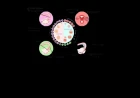
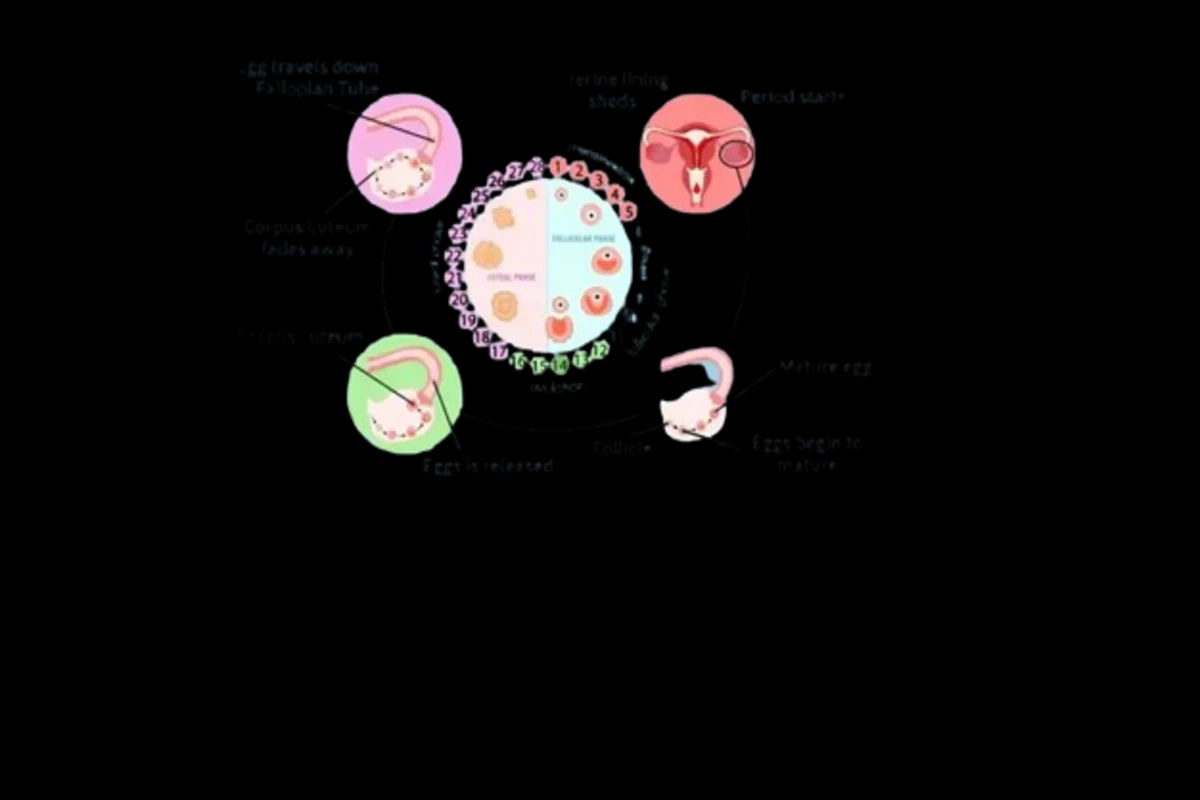
The menstrual cycle is a highly regulated physiological process (average 28 days; range 24–38 days) governed by the hypothalamic-pituitary-gonadal axis. It consists of concurrent ovarian and uterine cycles. The ovarian cycle includes the follicular phase (days 1–14), ovulation (day ~14), and the luteal phase (14 days post-ovulation). The uterine cycle comprises the menstrual phase (days 1–5), proliferative phase (days 5–14), and secretory phase (days 14–28). Key hormonal regulators include GnRH, FSH, LH, estradiol, and progesterone. Physiological midcycle pain (mittelschmerz) occurs in >50% of premenopausal individuals. Abnormalities include dysmenorrhea, amenorrhea, abnormal uterine bleeding, premenstrual disorders, and anovulatory cycles (common in early post-menarche years).
Premium Subscription
Unlock the Full Content with Premium
This is premium content. Upgrade your account to unlock full access and explore the complete experience.
- Unlimited access to all premium contents
- Ad-free, uninterrupted browsing experience
- Interactive features and community access

Libra
Reviewed by the LibraryMedicine.com Clinical Editorial Board. Our authors are practicing physicians and medical educators dedicated to delivering evidence-based, up-to-date clinical guides.