
Pierre Robin Sequence: A Comprehensive Clinical Guide to Diagnosis, Management, and Long-Term Outcomes
Pierre Robin Sequence (PRS) is a congenital condition characterized by the triad of micrognathia (undersized lower jaw), glossoptosis (posteriorly displaced tongue), and U-shaped cleft palate—a combination that can transform a newborn's first breaths into a life-threatening emergency. With 60–80% of cases occurring alongside broader genetic syndromes (most commonly Stickler syndrome) and the remainder arising as isolated anomalies linked to the SOX9 gene, prompt recognition and multidisciplinary management are essential. With appropriate airway support, feeding interventions, and monitoring, most affected children achieve normal breathing, feeding, and facial development within the first few years of life.
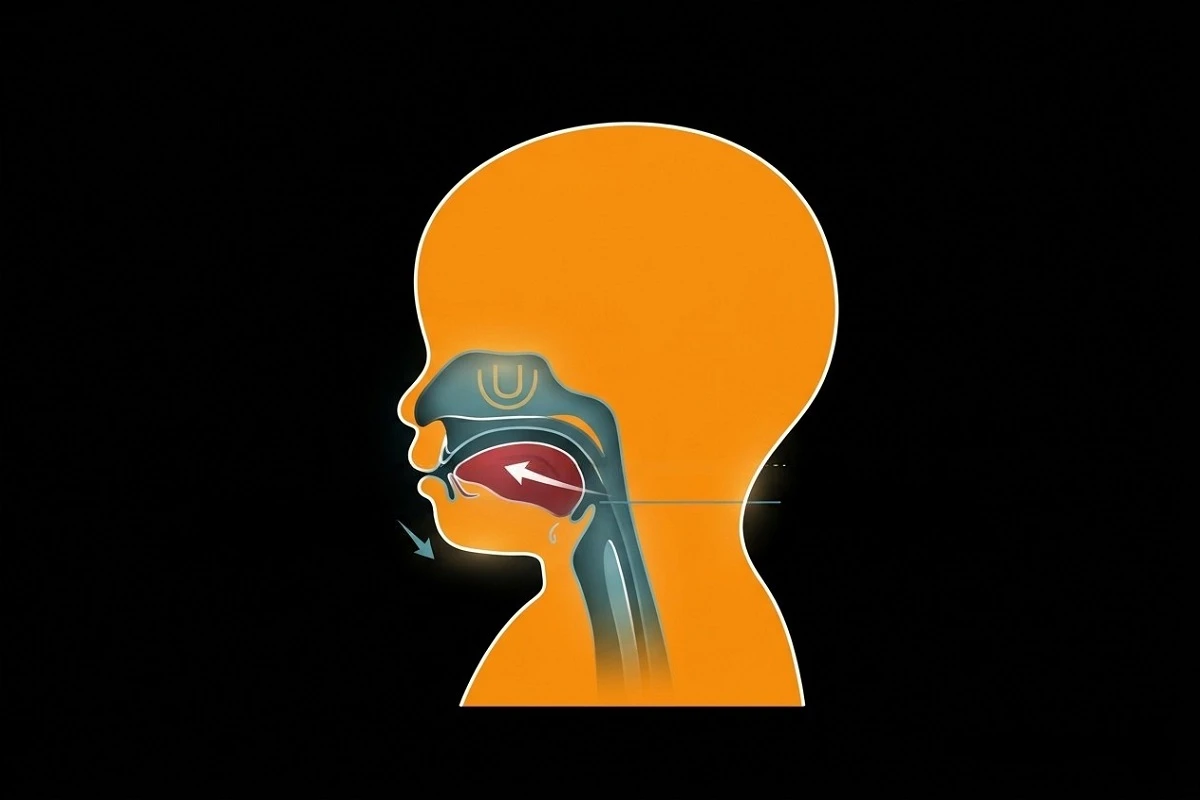
Pierre Robin Sequence represents one of the most significant congenital craniofacial anomalies encountered in neonatal medicine. First described by French stomatologist Pierre Robin in 1923, this condition encompasses a distinct triad of developmental abnormalities that collectively pose immediate and potentially life-threatening challenges to the newborn. Unlike a syndrome, which represents a constellation of anomalies with a common underlying etiology, PRS is termed a "sequence" because a single primary abnormality—mandibular underdevelopment—triggers a cascade of secondary developmental effects.
The clinical significance of PRS extends far beyond its characteristic physical findings. The condition demands urgent recognition and intervention, as airway obstruction can rapidly progress to respiratory failure, hypoxemia, and even death if not appropriately managed. Furthermore, the high prevalence of associated genetic syndromes necessitates comprehensive evaluation and long-term multidisciplinary follow-up.
What Is Pierre Robin Sequence?
Pierre Robin Sequence is a congenital malformation complex defined by three cardinal features that occur in a predictable developmental sequence:
-
Micrognathia: An abnormally small, underdeveloped mandible that fails to grow adequately during fetal development
-
Glossoptosis: Posterior and inferior displacement of the tongue into the pharyngeal space, resulting from the tongue being crowded into an insufficiently sized oral cavity
U-shaped Cleft Palate: A characteristic cleft of the palate that forms a "U" shape, resulting from the tongue mechanically obstructing palatal closure…

Reviewed by the LibraryMedicine.com Clinical Editorial Board. Our authors are practicing physicians and medical educators dedicated to delivering evidence-based, up-to-date clinical guides.













Comments (0)