
Postoperative Delirium in Elderly Surgical Patients: A Comprehensive Review of Prevention, Diagnosis, and Management Strategies
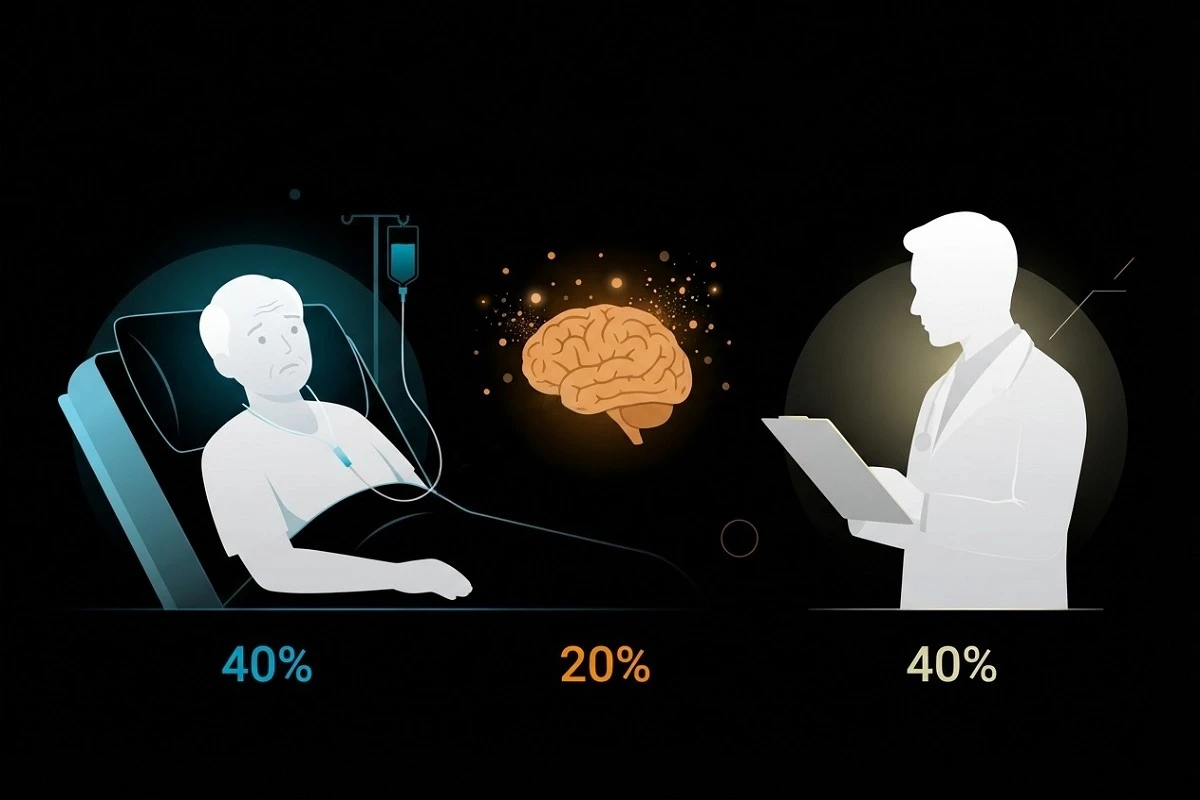
Postoperative delirium (POD) affects 15-50% of elderly surgical patients and is associated with increased mortality, prolonged hospitalization, and long-term cognitive decline. This comprehensive review by Ahmadzadeh et al. examines the multifactorial pathogenesis, evidence-based prevention strategies, and management approaches for POD. The authors emphasize that multicomponent nonpharmacological interventions remain the cornerstone of prevention, while pharmacological agents should be reserved for specific high-risk cases or severe symptom management.
-
Introduction
Postoperative delirium (POD) represents the most common neurological complication following surgery, affecting 15% to 50% of adults over 65 years of age and up to 80% of those admitted to intensive care units. This acute, fluctuating disturbance in attention, awareness, and cognition typically manifests within 72 hours of anesthesia and carries profound implications for patient outcomes, healthcare utilization, and long-term cognitive health.
The clinical significance of POD cannot be overstated. Patients developing delirium experience a threefold increase in 30-day mortality, prolonged mechanical ventilation, higher rates of institutionalization, and accelerated long-term cognitive decline. The economic burden is equally substantial, with estimated annual healthcare costs exceeding $38 billion in the United States alone, primarily driven by extended hospital stays and post-acute care utilization.
This comprehensive review, authored by Sahar Shekoohi, Shahab Ahmadzadeh, Alan D. Kaye, Giustino Varrassi, Drake P. Duplechin, Andrew T. Haynes, Alex V. Hollander, Ross Rieger, and Carlo Jean Baptiste, synthesizes current evidence on the epidemiology, pathophysiology, prevention, and management of POD to guide perioperative teams in optimizing care for vulnerable surgical patients.
-
Pathophysiology of Postoperative Delirium
Neuroinflammatory Mechanisms
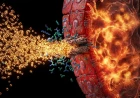
Neuroinflammation has emerged as a central pathophysiological driver of POD. Surgical trauma triggers a systemic release of pro-inflammatory cytokines, including IL-6, IL-1β, and TNF-α, which can cross the blood-brain barrier and activate microglial cells. This glial activation disrupts synaptic function, impairs neurotransmitter balance, and contributes to acute cognitive changes characteristic of delirium.
Older adults are particularly vulnerable due to "inflammaging"—a state of chronic low-grade inflammation that primes the brain for exaggerated responses to surgical stress. Elevated postoperative cytokine levels, particularly IL-6, have been consistently associated with
higher delirium risk, suggesting potential targets for preventive strategies.
Neurotransmitter Imbalance
Acetylcholine deficiency represents a central mechanism in POD pathogenesis, impairing attention and memory functions. Anticholinergic medications and age-related cholinergic decline amplify this vulnerability. Concurrently, dopaminergic excess is linked to agitation and hallucinations seen in hyperactive delirium, while GABA and glutamate imbalances may explain hypoactive presentations and cognitive suppression.
Serotonin dysregulation may also contribute to sleep-wake disturbances, highlighting the complex neurochemical interactions underlying POD's varied clinical presentations. Agents like dexmedetomidine, which modulate norepinephrine without suppressing GABA, offer targeted neurochemical stabilization, supporting the development of more precise therapeutic approaches.
Blood-Brain Barrier Dysfunction
Surgical stress and systemic inflammation compromise blood-brain barrier integrity, allowing peripheral inflammatory mediators to access the central nervous system. This disruption facilitates neuroinflammation and may contribute to the acute cognitive changes observed in POD. Understanding these mechanisms supports strategies to maintain blood-brain barrier function and minimize neuroinflammatory responses.

Reviewed by the LibraryMedicine.com Clinical Editorial Board. Our authors are practicing physicians and medical educators dedicated to delivering evidence-based, up-to-date clinical guides.













Comments (0)