
Acute Appendicitis: A Comprehensive Evidence-Based Guide for Clinicians
Acute appendicitis remains one of the most common surgical emergencies in clinical practice, accounting for roughly 250,000 emergency department visits and 300,000 appendectomies annually in the United States alone. Despite being recognized for over a century, it continues to present diagnostic challenges — particularly in atypical presentations and special populations such as children, pregnant patients, and the elderly.

The therapeutic landscape has also evolved. What was once considered a mandatory surgical diagnosis now includes evidence-supported nonoperative pathways for selected patients. This guide synthesizes current evidence from the 2020 WSES Jerusalem Guidelines, the 2023 ACEP Clinical Policy, and the 2018 AAST Guidelines into a practical framework for evaluation and management.
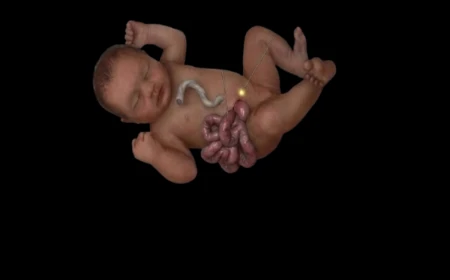
Anatomy and Pathophysiology Anatomical Considerations Average length: 6–10 cm | Average diameter: 5–8 mm Positional variability: Retrocecal (65%), pelvic (31%), subcecal (2.5%), preileal (1%), postileal (0.5%) Blood supply: Appendicular artery (branch of the ileocolic artery) Innervation: Sympathetic (T8–T10) and parasympathetic (vagal) fibers — explains the classic referred periumbilical pain The Pathophysiological Cascade Luminal obstruction — lymphoid hyperplasia (most common in children/young adults), fecalith (most common in adults), rarely neoplasm or parasitic infestation Mucosal secretion continues…

Reviewed by the LibraryMedicine.com Clinical Editorial Board. Our authors are practicing physicians and medical educators dedicated to delivering evidence-based, up-to-date clinical guides.










Comments (0)