
Understanding Gastroschisis: Causes, Pathology, Diagnosis, and Treatment
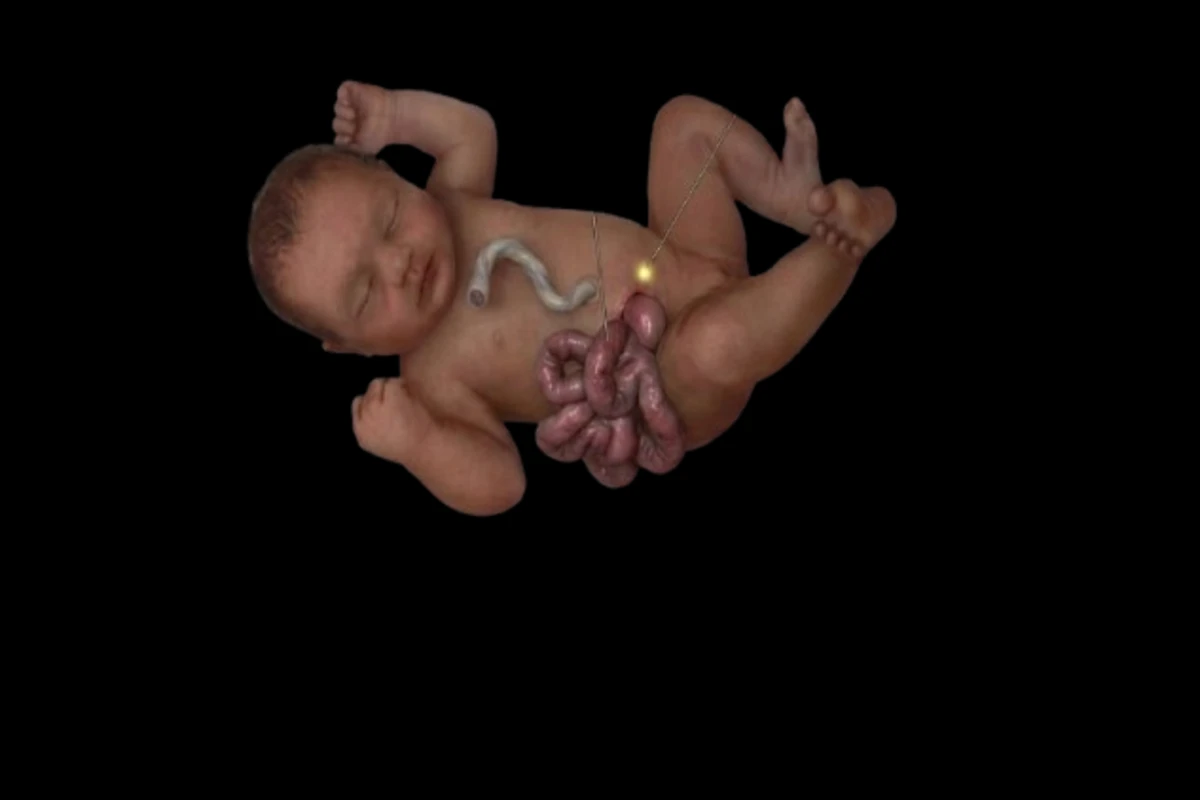
Gastroschisis is a congenital abdominal wall defect, typically located to the right of the umbilicus, where a newborn’s intestines and other abdominal organs protrude outside the body without a protective membrane. Unlike omphalocele, the exposed organs in gastroschisis are directly bathed in amniotic fluid, leading to irritation, inflammation, and thickening. The exact cause is unknown but is linked to reduced blood supply to the abdominal wall during fetal development, with risk factors including young maternal age, tobacco use, and alcohol consumption. Prenatal diagnosis is achieved through elevated maternal serum alpha-fetoprotein (MSAFP) and routine fetal ultrasound. Postnatal treatment requires immediate specialized care, including surgical repair (either primary closure or staged silo repair) and intensive supportive measures such as total parenteral nutrition (TPN), antibiotics, and temperature regulation.

Hirwa
Dr. Emmanuel Hirwa BAKUNDA is a Medical doctor and technology innovator dedicated to transforming medical education through digital solutions. With a clinical background in General pediatrics and child health, Dr. Bakunda combines frontline patient experience with a passion for health informatics and e-learning platforms.










Comments (0)