
Infant & Paediatric Allergy : Navigating Cow's Milk Protein Allergy in Clinical Practice
Cow's milk protein allergy is the leading food allergy of early childhood, yet it is routinely confused with lactose intolerance and just as routinely over-diagnosed by unproven tests. This guide sets out the immunology, the three clinical phenotypes, a structured diagnostic pathway built around the oral food challenge, and an evidence-based feeding strategy for breastfed and formula-fed infants alike.
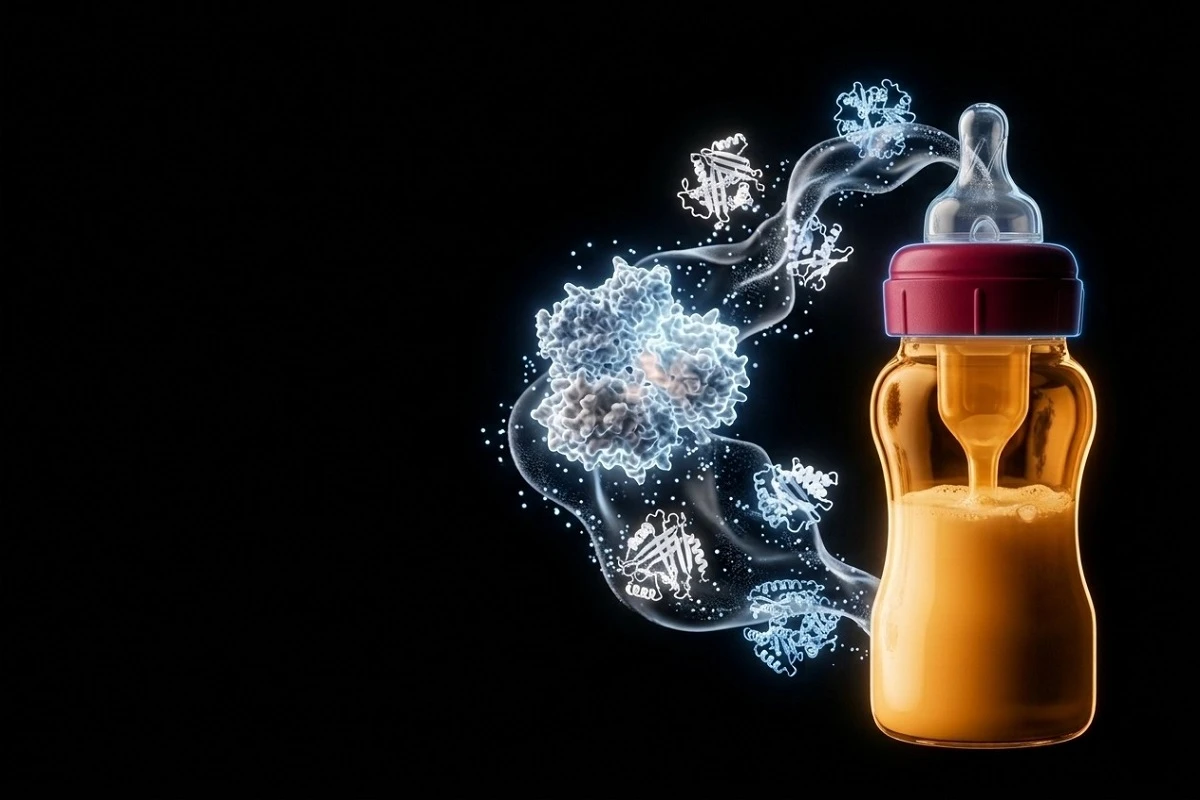
What Cow's Milk Protein Allergy Actually Is
Cow's milk protein allergy, or CMPA, is defined as an adverse, immune-mediated reaction to one or more of the proteins found in cow's milk. It is not a single uniform illness but a spectrum of immune responses, all triggered by the same two protein fractions and all capable of producing very different clinical pictures depending on which arm of the immune system is engaged.
The scale of the problem is easy to underestimate. CMPA affects roughly 2.0% to 7.5% of infants globally, which makes it the leading cause of food allergy in children under three years of age. For a condition this common, the diagnostic and management pathway still trips up clinicians and families alike , partly because two very different proteins are doing the damage, and partly because the underlying immunology is frequently misunderstood.
Two proteins, two behaviours
Cow's milk contains two major protein fractions, and they do not behave the same way in the body:
-
Casein (76%–86% of milk protein): a highly allergenic, heat-resistant group of proteins (α1, α2, β, and κ-casein). Because casein survives cooking and heat processing, boiling or baking dairy does not reliably remove the allergenic risk.
Whey (14%–24% of milk protein): dominated by β-lactoglobulin and α-lactalbumin. Whey proteins can sometimes be denatured…

Reviewed by the LibraryMedicine.com Clinical Editorial Board. Our authors are practicing physicians and medical educators dedicated to delivering evidence-based, up-to-date clinical guides.










Comments (0)