
Penicillin G Injection: Comprehensive Clinical Guide, Formulations, and Dosing
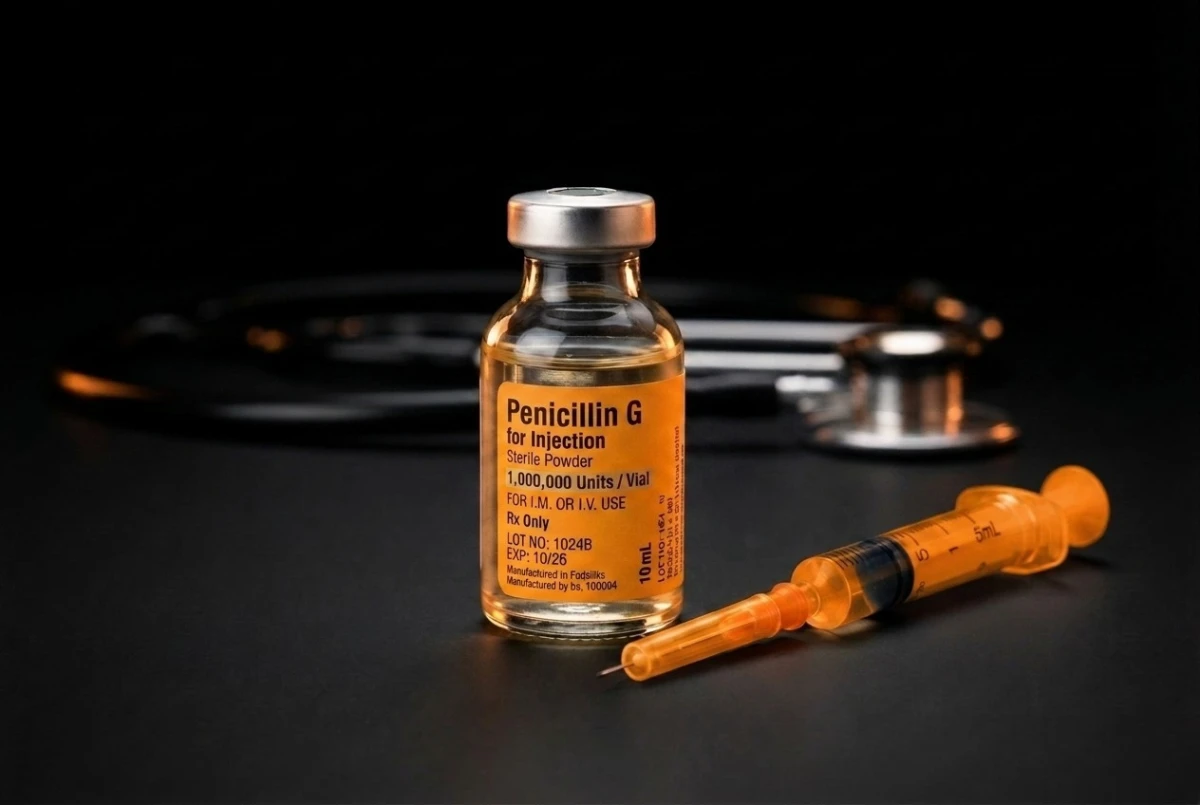
Penicillin G injection remains a cornerstone of modern infectious disease management. It is a natural penicillin antibiotic used to treat and prevent a wide range of bacterial infections, from streptococcal pharyngitis to life-threatening conditions like meningitis, congenital syphilis and anthrax. This comprehensive guide provides healthcare professionals with a detailed clinical overview of penicillin G injection, covering its formulations, mechanisms, clinical indications, dosing, and safety profile.
Overview and Formulations
Penicillin G (also known as benzylpenicillin) is administered via the parenteral route. It is available in several salt and salt formulations, each designed for specific clinical needs.
The most common forms are aqueous penicillin G (potassium or sodium salts) for intravenous and intramuscular use, and repository forms like penicillin G benzathine and penicillin G procaine for deep intramuscular injection.
Aqueous penicillin G is typically used for severe systemic infections requiring high and rapid serum concentrations. In contrast, benzathine and procaine forms are designed for slow absorption, providing sustained low-level concentrations over days to weeks.
Mechanism of Action Penicillin G is a beta-lactam antibiotic. Its primary mechanism of action is the inhibition of bacterial…

Dr. Emmanuel Hirwa BAKUNDA is a Medical doctor and technology innovator dedicated to transforming medical education through digital solutions. With a clinical background in General pediatrics and child health, Dr. Bakunda combines frontline patient experience with a passion for health informatics and e-learning platforms.
















Comments (0)