
Aminoglycosides in Clinical Practice: Comprehensive Review of Mechanisms, Pharmacokinetics, and Therapeutic Applications
Aminoglycosides are potent bactericidal antibiotics that inhibit bacterial protein synthesis by binding irreversibly to the 30S ribosomal subunit, demonstrating concentration-dependent killing and significant post-antibiotic effects against aerobic gram-negative organisms. These agents require careful therapeutic drug monitoring due to their narrow therapeutic index, with peak concentrations correlating with efficacy and trough levels predicting toxicity, particularly nephrotoxicity and ototoxicity. While traditionally administered thrice daily, extended-interval dosing strategies are increasingly utilized in adults, though pediatric nomograms remain unvalidated, necessitating continued reliance on traditional dosing schedules in children.
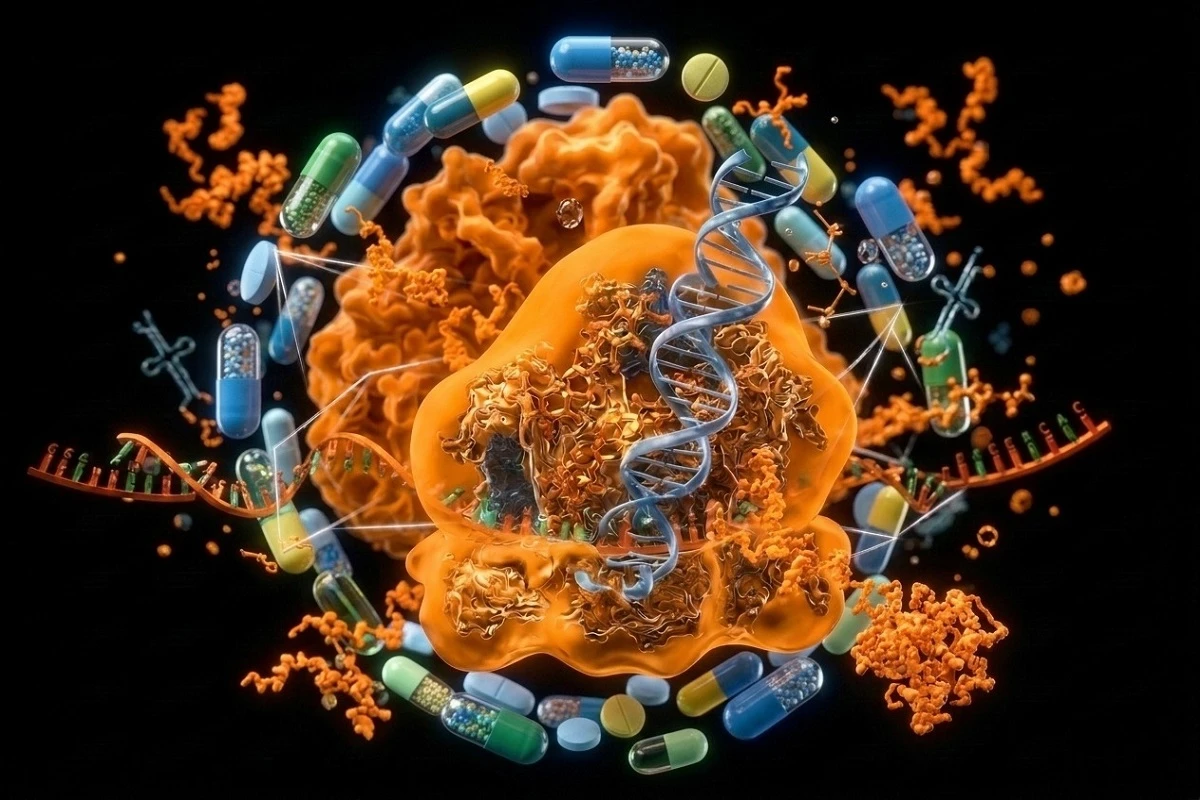
Aminoglycosides represent one of the oldest and most clinically important classes of antibiotics in modern medicine, having been introduced in the 1940s and remaining indispensable for the treatment of serious aerobic gram-negative infections. These potent bactericidal agents work through unique mechanisms that distinguish them from other antibiotic classes, offering rapid killing and significant post-antibiotic effects that make them valuable in both empiric and targeted therapy. Despite their efficacy, aminoglycosides possess a narrow therapeutic index requiring careful monitoring and individualized dosing to maximize benefits while minimizing potentially irreversible toxicities.
The clinical utility of aminoglycosides extends across multiple medical specialties, from neonatal sepsis and febrile neutropenia to complicated intra-abdominal infections and nosocomial pneumonia. Their synergistic activity with beta-lactam antibiotics and vancomycin enhances their effectiveness against selected gram-positive organisms, including enterococci and staphylococci. However, the emergence of resistance mechanisms, limited activity against anaerobes and pneumococci, and significant toxicity profile necessitate judicious prescribing practices and comprehensive understanding of their pharmacology.
Historical Background and Classification
Origins and Discovery
Key Historical Milestones:
-
1940s: First aminoglycosides introduced into clinical practice
-
Streptomycin: First agent discovered (from Streptomyces griseus)
-
Gentamicin: Discovered from Micromonospora purpurea
-
Continued development: Tobramycin, amikacin, and newer derivatives
Nomenclature and Classification
The suffix of each aminoglycoside agent denotes its microbial origin:
| Suffix | Origin | Examples |
|---|---|---|
| -mycin | Streptomyces species | Streptomycin, Neomycin, Kanamycin |
| -micin | Micromonospora species | Gentamicin, Tobramycin, Micronomicin |
Currently Approved Agents in the United States
-
Gentamicin

Reviewed by the LibraryMedicine.com Clinical Editorial Board. Our authors are practicing physicians and medical educators dedicated to delivering evidence-based, up-to-date clinical guides.







Comments (0)