
Ciprofloxacin Oral: Comprehensive Clinical Guide, Dosage, and Safety Profile
Ciprofloxacin is a broad-spectrum fluoroquinolone antibiotic widely used in adult and pediatric medicine for treating susceptible bacterial infections, including urinary tract infections, gastrointestinal infections, anthrax, and plague. This article provides a detailed, evidence-based review of ciprofloxacin’s therapeutic action, indications, dosage guidelines across age groups, duration of therapy, contraindications, adverse effects, and essential clinical precautions. Updated with current research on resistance patterns and safety concerns (e.g., tendinopathy, QT prolongation), this guide serves as a professional reference for healthcare practitioners and informed readers of Library Medicine.
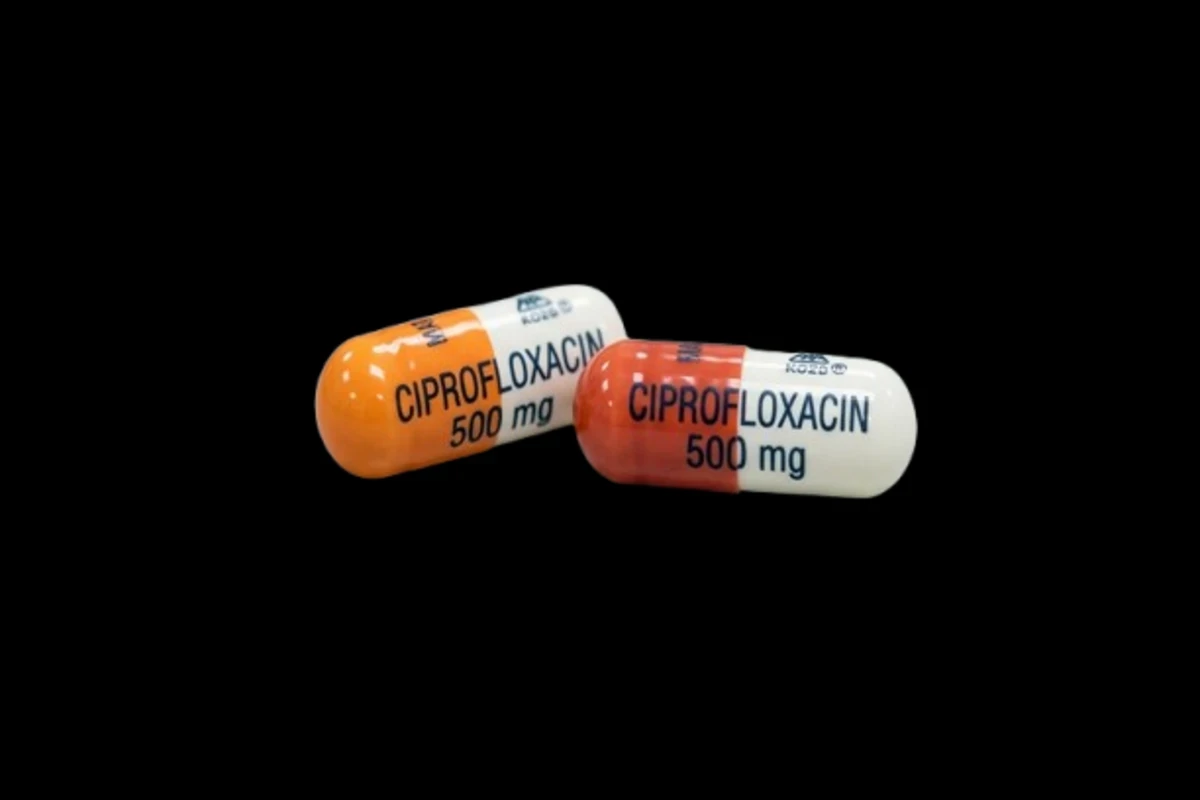
Therapeutic Action
Ciprofloxacin is a fluoroquinolone antibacterial that inhibits bacterial DNA gyrase (topoisomerase II) and topoisomerase IV, enzymes essential for bacterial DNA replication, transcription, repair, and recombination. It is bactericidal and exhibits concentration-dependent killing. It has excellent activity against Gram-negative aerobes (e.g., Enterobacteriaceae, Pseudomonas aeruginosa) and moderate activity against some Gram-positive cocci.
2. Indications
-
Shigellosis (bacillary dysentery)
-
Uncomplicated cutaneous anthrax (post-exposure prophylaxis or treatment)
Uncomplicated…

Dr. Emmanuel Hirwa BAKUNDA is a Medical doctor and technology innovator dedicated to transforming medical education through digital solutions. With a clinical background in General pediatrics and child health, Dr. Bakunda combines frontline patient experience with a passion for health informatics and e-learning platforms.


















Comments (0)