
Air Leak Syndrome: A Comprehensive Overview of Pathophysiology, Clinical Manifestations, and Management Strategies
Air leak syndrome (ALS) encompasses a spectrum of clinical conditions characterized by the abnormal dissection of air from pulmonary airspaces into surrounding extra-alveolar tissues and cavities. This comprehensive article explores the pathogenesis, classification, clinical features, diagnostic approaches, and management strategies for ALS, with particular emphasis on vulnerable populations including neonates, critically ill patients, and those with underlying pulmonary pathology. The review synthesizes current evidence on this potentially life-threatening condition, highlighting the Macklin effect as a central pathophysiological mechanism and emphasizing the importance of early recognition and intervention to reduce associated morbidity and mortality.
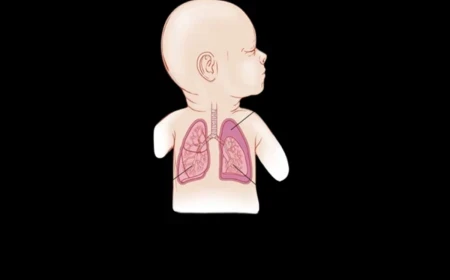
Air leak syndrome represents a constellation of disorders wherein air escapes from the respiratory tree into spaces where it should not normally be present. These conditions include pneumothorax, pneumomediastinum, pulmonary interstitial emphysema (PIE), pneumopericardium, pneumoperitoneum, and subcutaneous emphysema . ALS is particularly prevalent in neonates with underlying lung disease and in critically ill patients receiving mechanical ventilation, though it can also occur spontaneously in otherwise healthy individuals . The syndrome spans a spectrum from asymptomatic radiographic findings to life-threatening tension physiology requiring immediate intervention. Recent data indicate a resurgence of interest in ALS, particularly in the context of COVID-19-related respiratory failure, where it has been observed in approximately 12% of intensive care unit patients .
Etiology
The etiological factors contributing to air leak syndrome are diverse and can be broadly categorized as follows:
Iatrogenic Causes:

Dr. Emmanuel Hirwa BAKUNDA is a Medical doctor and technology innovator dedicated to transforming medical education through digital solutions. With a clinical background in General pediatrics and child health, Dr. Bakunda combines frontline patient experience with a passion for health informatics and e-learning platforms.


















Comments (0)