
Measles in the Modern Era: A Comprehensive Review for the Clinician on Diagnosis, Vaccination Strategies, and Management
Measles, a highly contagious viral illness with a basic reproduction number of 12–18, has resurged globally due to declining vaccination coverage and increased international travel . This review provides a comprehensive update for clinicians on the clinical presentation, diagnostic criteria, and evidence-based vaccination strategies for measles. We emphasize the critical role of healthcare providers in immediate case recognition, laboratory confirmation, and adherence to the ACIP-recommended two-dose MMR schedule to ensure individual and community protection.
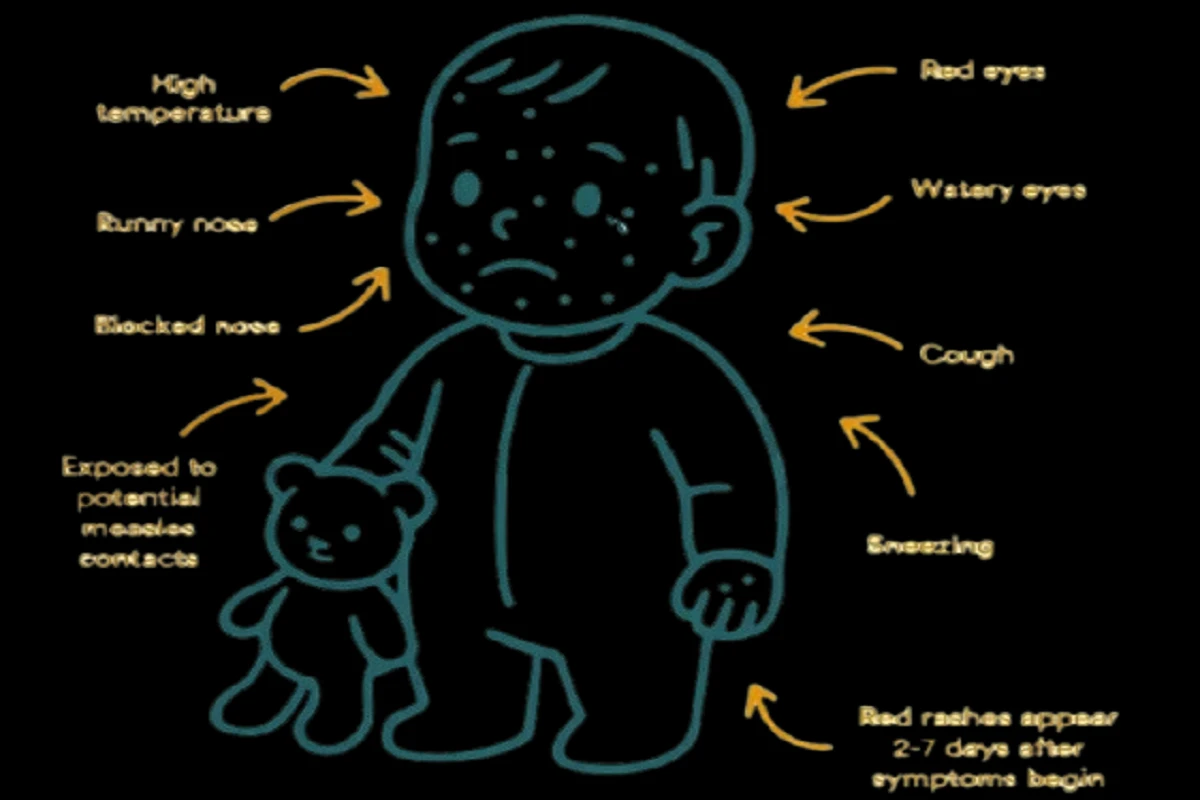
The year 2000 marked a significant public health victory in the United States with the declaration of measles elimination . However, this achievement is increasingly threatened. The convergence of vaccine hesitancy, disruptions to routine immunization services, and global travel has led to a resurgence of measles, with the U.S. reporting its highest number of cases in years during 2025 .
For many clinicians trained in the post-elimination era, measles is an unfamiliar disease, yet its high transmissibility demands swift recognition and action.
This review aims to equip healthcare professionals with a current understanding of measles, covering its pathophysiology, clinical presentation, laboratory diagnostics, and, most importantly, the vaccination strategies essential for preventing its spread and managing this re-emerging threat in clinical practice.
Clinical Manifestations and Diagnostic Criteria
Recognizing the classic clinical presentation is the first and most critical step in preventing onward transmission.

Dr. Emmanuel Hirwa BAKUNDA is a Medical doctor and technology innovator dedicated to transforming medical education through digital solutions. With a clinical background in General pediatrics and child health, Dr. Bakunda combines frontline patient experience with a passion for health informatics and e-learning platforms.











Comments (0)