
CAR T-Cell Therapy: A Decade of Transforming Cancer Care and Pioneering the Future of Immunotherapy
Once a last-resort experimental treatment, CAR T-cell therapy has fundamentally altered the landscape for certain blood cancers, offering durable remissions and potential cures for patients who had exhausted all other options. Landmark long-term studies now confirm that a significant percentage of patients remain cancer-free a decade after a single infusion, while the technology is rapidly evolving to tackle the next frontier: solid tumors. Through innovative engineering and combination strategies, next-generation CAR T-cells aim to replicate the remarkable success seen in lymphomas and leukemias for more common and complex cancers.
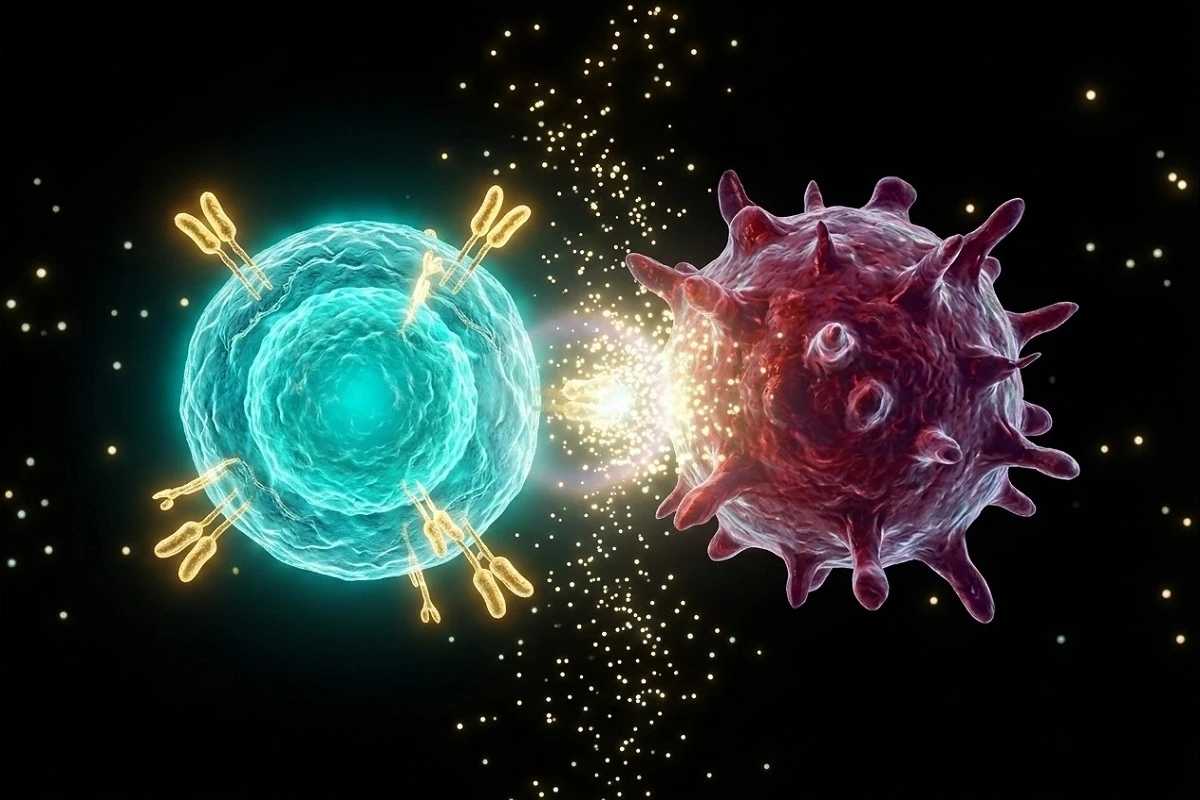
Table of Contents
-
Introduction: The Dawn of a New Era in Immuno-Oncology
The story of cancer therapy has been marked by steady, incremental progress for decades. Traditional treatments like chemotherapy and radiation, while life-saving for many, are blunt instruments that attack rapidly dividing cells throughout the body, often causing severe side effects and offering limited durability against advanced or relapsed disease.
The emergence of Chimeric Antigen Receptor (CAR) T-cell therapy represents a paradigm shift, moving away from broadly cytotoxic treatments towards a personalized, "living drug" approach. This immunotherapy harnesses the power of a patient's own immune system, genetically re-engineering T-cells to become precision-guided hunters of malignant cells.
The journey from a pioneering clinical trial to a mainstream, FDA-approved treatment has been rapid and dramatic. What began as a desperate "Hail Mary" for patients with no remaining options has delivered what many oncologists now call "walking miracles." The therapy has redefined expectations, transforming a terminal diagnosis into a manageable condition or even a cure for a significant subset of patients.
As of 2024, six CAR T-cell products are approved in the United States for various hematologic malignancies, including large B-cell lymphoma, multiple myeloma, and pediatric acute lymphoblastic leukemia. These therapies have moved from being a treatment of last resort to a standard-of-care option, with recent data demonstrating unprecedented outcomes.
Updated results from the JULIET trial show that for patients with relapsed or refractory large B-cell lymphoma, who historically had a less than 10% chance of surviving five years, the overall survival rate now approaches 32%. Furthermore, 56% of those who initially responded to treatment experienced long-term, durable remission. This confirms that CAR T-cells, as a "living drug," can persist in the body for years, providing a continuous shield against cancer recurrence.
This article synthesizes the latest clinical data, patient stories, and scientific advancements to provide a comprehensive overview of CAR T-cell therapy's profound impact and its promising future. We will explore the foundational successes in lymphoma, the evidence for long-term cures, the relentless push to conquer solid tumors, and the next generation of engineered T-cell therapies that promise to expand the reach of this revolutionary treatment.
-
Part I: The Transformative Impact of CAR T-Cell Therapy
Real-World Success Stories: Patients Who Became "Walking Miracles"
The statistical data on CAR T-cell therapy is impressive, but the true power of this treatment is best illustrated by the patients who have benefited from it. Their stories provide a human face to the scientific breakthroughs and offer hope to countless others facing similar diagnoses.
Scott McIntyre, a patient treated at the University of Chicago Medicine, was among the first in Illinois
to receive CAR T-cell therapy for diffuse large B-cell lymphoma (DLBCL). After exhausting numerous options—chemotherapy, a stem cell transplant, and clinical trials—his cancer had spread to his lungs, and he was given just months to live.
In 2016, he received the experimental therapy. The process involved harvesting his T-cells, engineering them to recognize his specific cancer, and reinfusing them into his body. Today, six years later, he remains cancer-free and is back to living a full life. He runs his business, enjoys time with his family, and attends Notre Dame football games—a passion he thought he would never experience again.
His oncologist, Dr. Sonali Smith, called him her "walking miracle." McIntyre's gratitude extends beyond his own survival. He actively supports other CAR T-cell therapy patients and their families, sharing his story and helping them navigate the complex treatment process. His journey earned him an "Inspiration Award" from the American Cancer Society, recognizing his contributions to the cancer community.
McIntyre's experience is not an isolated incident. Across the country and around the world, similar stories are emerging. Patients who were once bedridden, dependent on oxygen, or facing hospice care have returned to work, travel, and active lives. They are attending weddings, welcoming grandchildren, and celebrating milestones they never expected to see.
These narratives underscore a fundamental truth about CAR T-cell therapy: it is not just about extending life, but about restoring quality of life. The goal is not simply to shrink tumors, but to enable patients to return to the activities and relationships that give their lives meaning.
Mechanisms of Action: How CAR T-Cells Work
To appreciate the revolutionary nature of CAR T-cell therapy, it is essential to understand its underlying mechanisms. The process represents a convergence of immunology, genetics, and personalized medicine.
The journey begins with the patient's own immune system. T-cells, the workhorses of cellular immunity, are collected from the patient's blood through a process called apheresis. This procedure separates white blood cells from other blood components, yielding a concentrated sample of T-cells.
These harvested T-cells are then sent to a specialized laboratory where genetic engineering takes place. Scientists insert a gene that encodes a Chimeric Antigen Receptor (CAR) into the T-cells using a modified virus as a delivery vehicle. This CAR is an artificial receptor that combines an antibody-like targeting domain with intracellular signaling domains that activate the T-cell.
The CAR is designed to recognize a specific protein, or antigen, found on the surface of cancer cells. In the case of B-cell lymphomas and leukemias, the target is typically CD19, a protein expressed on B-cells. By engineering T-cells to express a CAR that recognizes CD19, the therapy creates a population of immune cells that can precisely identify and destroy malignant B-cells while sparing other healthy tissues.
While the T-cells multiply and expand in the laboratory, a process that takes several weeks, the patient receives conditioning chemotherapy. This preparatory regimen serves two purposes: it reduces the number of existing cancer cells, creating "space" for the engineered T-cells, and it suppresses the patient's immune system to enhance the survival and function of the infused cells.
Finally, the now-millions of engineered CAR T-cells are infused back into the patient's bloodstream in a procedure that takes less than ten minutes. Once inside the body, these "living drugs" seek out cancer cells expressing the target antigen, bind to them, and initiate a cytotoxic attack. They release perforin and granzymes that punch holes in the cancer cell membranes and trigger apoptosis, or programmed cell death.
Crucially, CAR T-cells can persist in the body for years, providing ongoing surveillance against cancer recurrence. This persistence is what distinguishes CAR T-cell therapy from many other treatments that require repeated dosing. A single infusion can potentially provide lifelong protection.
Side Effects and Management
While CAR T-cell therapy has produced remarkable results, it is not without significant side effects. The most common and potentially severe adverse events are Cytokine Release Syndrome (CRS) and Immune Effector Cell-Associated Neurotoxicity Syndrome (ICANS).
CRS occurs when the infused CAR T-cells become activated and release massive amounts of cytokines, triggering a systemic inflammatory response. Symptoms can range from mild fever and fatigue to severe hypotension, respiratory distress, and multi-organ failure. The severity of CRS is often correlated with the extent of disease burden and the intensity of T-cell expansion.
ICANS is a neurological syndrome that can cause confusion, delirium, seizures, and in severe cases, cerebral edema. The mechanisms underlying ICANS are less well understood but appear to involve the disruption of the blood-brain barrier and the infiltration of inflammatory cells into the central nervous system.
Managing these side effects requires specialized expertise and intensive supportive care. Tocilizumab, an IL-6 receptor antagonist, is the primary treatment for severe CRS. Corticosteroids are also used to dampen the inflammatory response and treat ICANS. Most patients experience some degree of these side effects, but with aggressive management, the majority recover fully.
Other side effects include prolonged cytopenias (low blood counts), infections due to B-cell aplasia (depletion of normal B-cells), and hypogammaglobulinemia (low antibody levels). These complications require ongoing monitoring and supportive care, including immunoglobulin replacement therapy and antibiotic prophylaxis.
Despite these challenges, the risk-benefit profile of CAR T-cell therapy is overwhelmingly favorable for patients with relapsed or refractory hematologic malignancies. For these patients, the therapy offers a chance at cure where few alternatives exist. The management of side effects has improved dramatically since the early trials, and mortality rates from CRS and ICANS have declined significantly.

Reviewed by the LibraryMedicine.com Clinical Editorial Board. Our authors are practicing physicians and medical educators dedicated to delivering evidence-based, up-to-date clinical guides.











Comments (0)