
Kawasaki Disease in the Modern Era: An Evidence-Based Review of Diagnostic Criteria, Therapeutic Strategies, and Lifetime Cardiovascular Surveillance
Kawasaki disease (KD) remains the leading cause of acquired heart disease in children in developed countries, characterized as an acute, self-limited vasculitis of unknown etiology that predominantly affects children under five years of age. This comprehensive review synthesizes the latest evidence on KD pathophysiology, diagnostic approaches—including the critical distinction between complete and incomplete presentations—and advances in treatment strategies, emphasizing the prevention of coronary artery aneurysms that occur in approximately 25% of untreated patients . With evolving therapeutic paradigms including intensified primary therapy for high-risk patients and emerging data on long-term cardiovascular sequelae extending into adulthood, this article provides clinicians with a practical framework for recognizing, managing, and longitudinally following patients with Kawasaki disease to optimize outcomes across the lifespan.
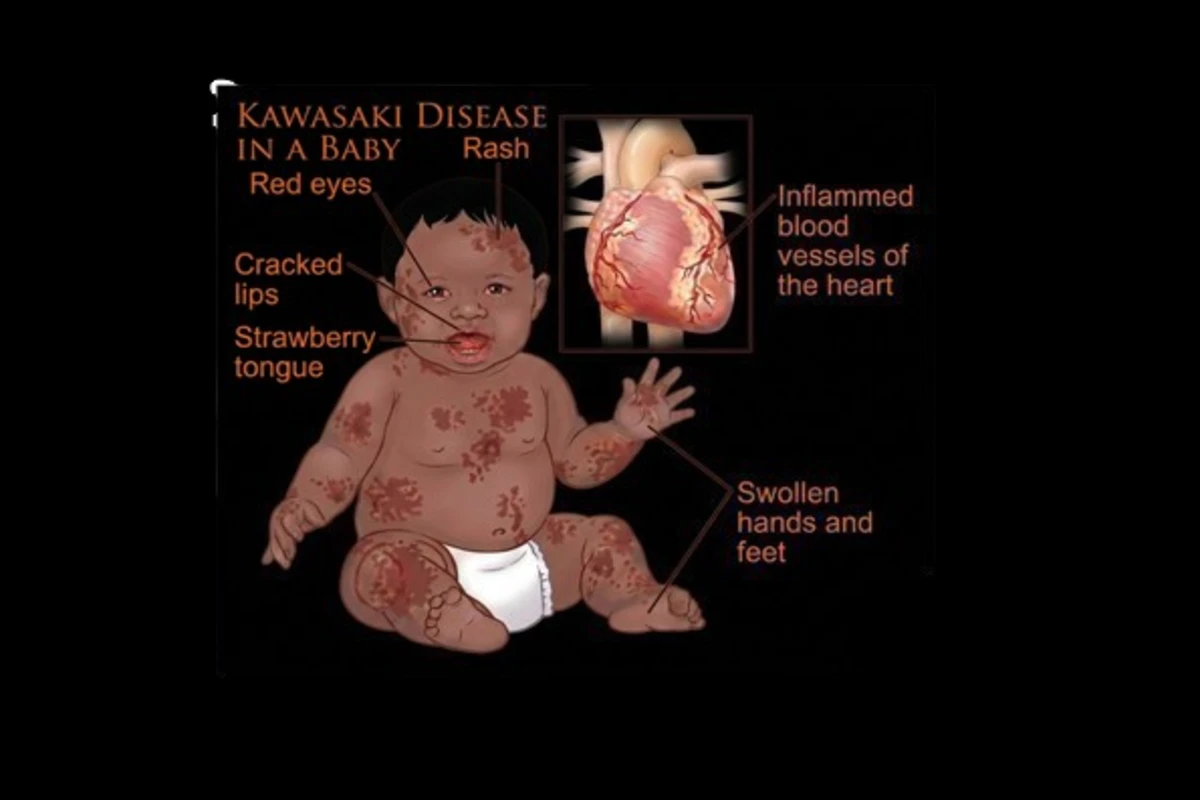
Since its initial description by Japanese pediatrician Dr. Tomisaku Kawasaki in 1967, Kawasaki disease has been recognized as a significant pediatric condition for over five decades . This acute, self-limited febrile illness primarily affects children under five years of age and is the leading cause of acquired heart disease in children in developed countries . The most serious complication—coronary artery aneurysms (CAAs)—develops in approximately 25% of untreated patients, with the potential for catastrophic outcomes including myocardial infarction, aneurysm rupture, and sudden death .
Despite advances in understanding and management, KD remains a diagnostic challenge, particularly in its incomplete and atypical forms. The etiology remains unknown, though evidence suggests an infectious trigger in genetically susceptible individuals initiates an abnormal immune response . This review synthesizes current evidence on KD diagnosis, treatment, and long-term management, drawing from the 2024 American Heart Association scientific statement and other recent guidelines to provide clinicians with practical guidance for optimizing patient outcomes.
Epidemiology and Pathophysiology
Disease Burden
Kawasaki disease affects children worldwide, with higher incidence in Asian populations, particularly those of Japanese descent . In the United States, 4,000 to 5,500 cases occur annually, with peak incidence in children aged 6 months to 2 years . Boys are affected slightly more often than girls, with a male-to-female ratio of approximately 1.3–1.6:1 . The illness occurs year-round but demonstrates seasonal variation, with peaks in spring and winter .
Age represents a critical risk factor for complications. Children under 6 months and those over 5 years are at higher…

Dr. Emmanuel Hirwa BAKUNDA is a Medical doctor and technology innovator dedicated to transforming medical education through digital solutions. With a clinical background in General pediatrics and child health, Dr. Bakunda combines frontline patient experience with a passion for health informatics and e-learning platforms.













Comments (0)